




Types of Tiles Explained: How to Choose the Best Floor Tiles for Durability, Style & Long-Term Value (2026 Guide)
The living room is where everything happens. Conversations, celebrations, quiet evenings, weekend lounging, it’s the most used space in most homes. And yet, when designing it, people often focus on furniture first and flooring last.
But here’s the truth: the floor sets the entire tone.
The right floor tile patterns living room design doesn’t just support your décor, it defines the atmosphere. It influences how spacious the room feels, how light travels across the surface, and even how luxurious the space appears.
With modern tile technology evolving rapidly, homeowners now have far more than simple square layouts to choose from. Patterns, finishes, sizes, and textures all work together to create something intentional and long-lasting.
This guide walks you through layout ideas, performance considerations, and design strategies to help you choose the perfect floor tile pattern for your living room.
Choosing tiles isn’t just about picking something that looks good today. It’s about selecting a surface that will still perform beautifully ten, twenty, even forty years from now.
With so many types of tiles available in today’s market, homeowners often focus on color or texture but the real difference lies in composition, density, water absorption, strength ratings, and intended use. Understanding these factors is what separates a stylish choice from a smart investment.
This guide goes beyond surface-level comparisons. We’ll explore materials, technical standards, performance ratings, lifespan data, and practical decision frameworks so you can choose with confidence.
Why Floor Patterns Matter More Than You Think
A tile pattern isn’t just a visual detail. It shapes perception.
Research in interior design psychology shows that flooring layout can influence how large or small a room feels. For example:
- Diagonal layouts can make compact rooms feel wider
- Large-format tile patterns reduce grout lines and create visual continuity
- Linear layouts can elongate rectangular spaces
The pattern interacts with lighting, wall color, and furniture placement. That’s why selecting the right floor tile patterns living room layout requires more than picking a tile you like.
It’s about proportion and flow.
Popular Living Room Tile Patterns (And What They Communicate)
Let’s explore some of the most effective layouts not as a checklist, but as design tools.
1. Straight Lay (Grid Pattern)
This is the classic pattern, tiles laid in straight lines aligned with the walls.
It feels clean, structured, and timeless. Large-format porcelain tiles (starts at 600 x 1200) in a straight pattern create a modern, minimalist aesthetic. This layout works particularly well in contemporary homes using neutral palettes.
2. Diagonal Pattern
Installing tiles at a 45-degree angle instantly adds movement.
Diagonal layouts are ideal for smaller living rooms because they break visual rigidity and make spaces appear larger. They also disguise minor wall imperfections.
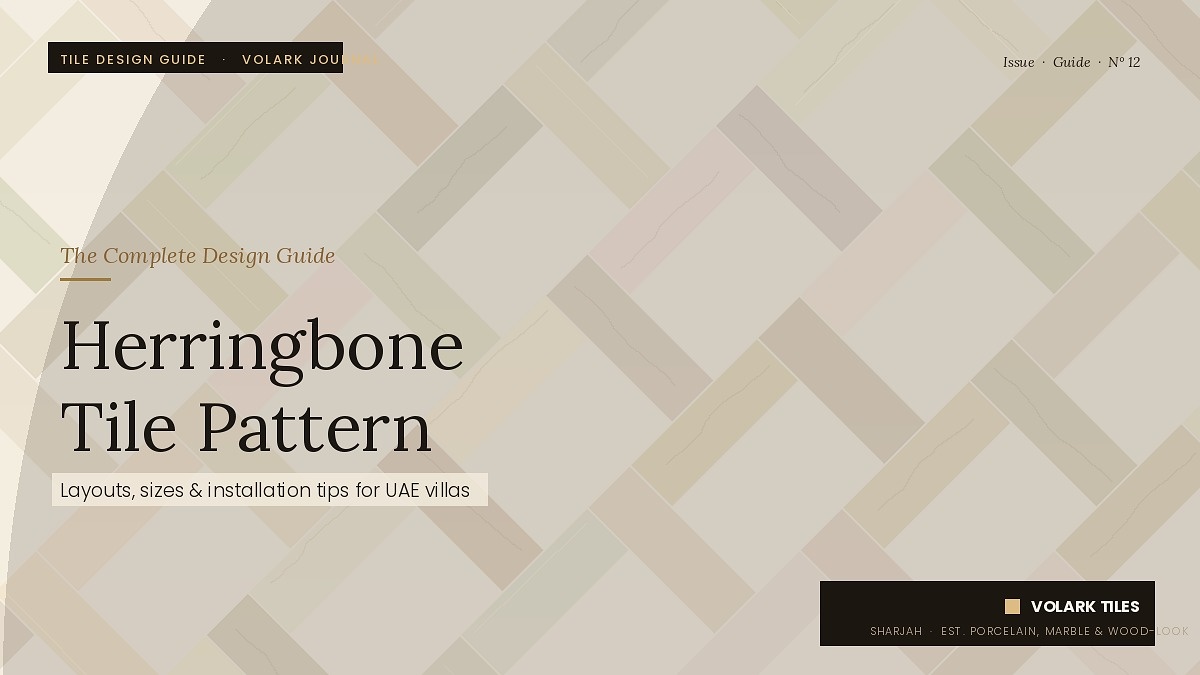
3. Herringbone Pattern
Traditionally used with rectangular tiles, herringbone creates rhythm and sophistication. It works beautifully with wood-look porcelain tiles for homeowners wanting warmth without the maintenance of hardwood.
It’s bold but refined.
4. Large Format Minimalist Layout
One of the strongest trends in modern living room floor & wall tiles is the use of oversized tiles (600x600 mm and above). Fewer grout lines create a seamless, expansive appearance.
Large format porcelain can increase perceived room size by up to 15% compared to smaller segmented layouts, according to design research studies.
Tile Pattern vs. Tile Type: What Performs Best?
The pattern is important but the tile material underneath matters just as much.
Here’s a simplified comparison:
Why Tile Selection Impacts Long-Term Property Value
Tiles are one of the few finishing materials that can last multiple decades without replacement. Industry data shows:
- High-quality porcelain flooring can last 40 to 50 years
- Natural stone can exceed 50 years with maintenance
- Low-grade ceramic may require replacement within 15 to 20 years in high-traffic areas
Because flooring covers a significant visual and functional footprint, it directly influences resale value. Durable surfaces signal quality construction.
That’s why understanding the real performance differences between the available types of tiles matters more than following trends.
How UAE & Dubai Climate Influences Tile Selection
In regions like the UAE and Dubai, climate isn’t just a background factor, it directly impacts how different types of tiles perform over time. With summer temperatures often exceeding 45°C, intense UV exposure, airborne sand, and heavy reliance on air conditioning, flooring materials must handle extreme heat shifts and surface abrasion.
Dense materials such as porcelain and vitrified tiles are particularly well-suited for this environment. Their low water absorption rates (typically below 0.5%) reduce the risk of expansion cracks caused by temperature fluctuations. They also resist fading under strong sunlight, making them ideal for both indoor and outdoor applications.
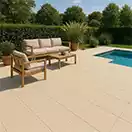
In sandy conditions, matte or lightly textured finishes tend to perform better than high-gloss surfaces, as they are less prone to visible micro-scratches. For balconies, pool decks, and exterior areas, tiles with higher slip resistance ratings (R10-R11 or above) are recommended to maintain safety under heat and moisture exposure.
Choosing climate-appropriate tiles ensures longer lifespan, better thermal comfort, and reduced maintenance especially in hot, desert environments like Dubai.
|
Tile Type |
Best Pattern Compatibility |
Durability |
Maintenance |
Ideal For Living Room |
|
Ceramic |
Straight, Diagonal |
Moderate |
Easy |
Low–Moderate traffic |
|
Porcelain |
All patterns |
High |
Very Low |
High traffic homes |
|
Vitrified |
Large format, Grid |
Very High |
Very Low |
Premium modern homes |
|
Natural Stone |
Herringbone, Custom |
High |
Moderate |
Luxury aesthetics |
Porcelain and vitrified tiles are generally preferred for living rooms because of their density and low water absorption rates (typically below 0.5%). This makes them resistant to wear, stains, and temperature changes.
When choosing floor tile patterns living room designs, always pair aesthetics with performance.
Understanding Tile Composition and Performance
Not all tiles are created equally. Their behavior depends on raw materials, firing temperature, density, and glazing.
Let’s break down the major categories.
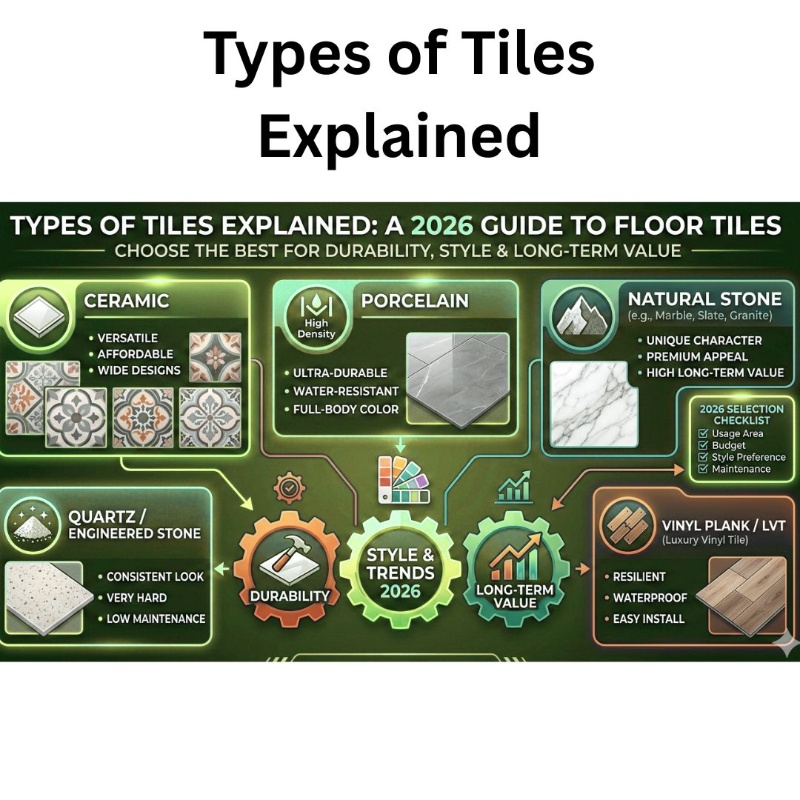
1. Ceramic Tiles: Versatile and Cost-Effective
Ceramic tiles are made from natural clay and fired at high temperatures. They are slightly more porous than porcelain and generally lighter in weight.
They perform well in:
- Bedrooms
- Living rooms
- Interior walls
- Light-traffic residential areas
Ceramic tiles typically have a water absorption rate above 3%, making them less ideal for outdoor freeze-prone environments. However, for interior applications, they offer excellent design flexibility at a reasonable cost.
For homeowners exploring entry-level kinds of floor tiles, ceramic remains a practical starting point.
2. Porcelain Tiles: High Density, Low Porosity, Maximum Durability
Porcelain is one of the most technically advanced types of tiles used in modern construction.
It is manufactured from refined clay and fired at extremely high temperatures, resulting in:
- Water absorption below 0.5%
- Higher density
- Greater impact resistance
- Improved frost resistance
PEI Rating (Wear Resistance)
Porcelain tiles are rated using the Porcelain Enamel Institute (PEI) scale:
| PEI Rating |
Recommended Use |
|
PEI 1 |
Walls only |
|
PEI 2 |
Light residential |
|
PEI 3 |
Moderate residential |
|
PEI 4 |
Heavy residential |
|
PEI 5 |
Commercial use |
Most high-quality porcelain floor tiles fall between PEI 3 and PEI 5.
This makes porcelain ideal for:
- Kitchens
- Bathrooms
- Hallways
- Commercial spaces
- Outdoor patios
3. Vitrified Tiles: Engineered for Structural Strength
Vitrified tiles are manufactured by fusing silica and clay, creating a glass-like surface layer during firing.
This process reduces porosity and increases structural integrity.
There are three primary subtypes:
- Full body vitrified
- Double charged vitrified
- Glazed vitrified
Full-body vitrified tiles are particularly durable because the color and pattern run throughout the tile’s thickness, making scratches less visible.
When comparing the different types of floor tiles, vitrified variants often stand out for strength-to-cost balance.
4. Natural Stone: Aesthetic Authority with Maintenance Responsibility
Marble, granite, slate, and travertine offer unmatched organic character. Each slab is naturally unique.
However, stone comes with responsibilities:
- Requires sealing
- More prone to staining
- Higher installation cost
- Needs periodic maintenance
It’s best suited for premium interiors where luxury aesthetics outweigh maintenance convenience.
Performance Comparison Table
Here’s a simplified performance breakdown:
|
Feature |
Ceramic |
Porcelain |
Vitrified |
Natural Stone |
|
Water Absorption |
3-7% |
<0.5% |
<0.5% |
Varies |
|
Durability |
Moderate | High | Very High | High |
|
Slip Resistance |
Finish dependent |
Finish dependent |
Finish dependent |
Texture dependent |
|
Maintenance Level |
Low |
Very Low | Very Low | Moderate |
|
Average Lifespan |
20-30 yrs |
40-50 yrs |
40+ yrs |
50+ yrs |
This table highlights why dense tiles dominate modern residential flooring.
Matte vs Glossy: Understanding Slip Ratings
Beyond material, finish affects safety and usability.
Slip resistance is measured using R-ratings (R9-R13):
|
Rating |
Application |
|
R9 |
Dry indoor areas |
|
R10 |
Kitchens, moderate moisture |
|
R11 |
Bathrooms, wet areas |
|
R12–R13 |
Outdoor & commercial wet zones |
Matte finishes generally provide higher slip resistance compared to high-gloss surfaces.
When choosing among the types of tiles, especially for bathrooms or balconies, checking slip ratings is critical.
Tile Thickness and Structural Stability
Tile thickness influences load-bearing capacity.
- Standard residential tiles: 8-10 mm
- Heavy-duty commercial tiles: 10-12 mm
- Industrial and outdoor tiles: 12 mm+
Thicker tiles provide better crack resistance under heavy furniture and consistent foot traffic.
How to Choose the Right Tile: A Practical Framework
Selecting flooring isn’t about trends, it’s about performance. From ceramic’s accessibility to porcelain’s resilience and vitrified’s engineered durability, modern types of tiles offer solutions for every structural need and design preference.
The key is understanding technical specifications, safety standards, and long-term value, not just surface beauty. When chosen correctly, tiles become one of the most durable and visually defining elements of any space.
Instead of overwhelming yourself with options, follow this 4-step approach:
1. Assess Traffic Load
High traffic = porcelain or vitrified
Low traffic = ceramic acceptable
2. Evaluate Moisture Exposure
Wet areas require low absorption rates (<0.5%).
3. Prioritize Safety
Bathrooms and outdoor areas should have higher slip resistance ratings.
4. Balance Budget vs Lifespan
Spending slightly more on durable flooring often reduces long-term replacement costs.
This structured decision-making approach simplifies evaluating the many types of tiles available today.
Common Tile Buying Mistakes to Avoid
Even experienced homeowners make avoidable errors:
- Choosing glossy tiles for bathrooms
- Ignoring PEI ratings
- Selecting low-grade tiles for outdoor use
- Overlooking grout quality
- Focusing only on design without checking thickness
These mistakes often lead to premature wear or safety concerns.
The Role of Manufacturing Quality
Tile performance depends heavily on production standards:
- Firing temperature consistency
- Surface calibration accuracy
- Uniform thickness
- Glaze durability
Low-quality manufacturing can result in uneven edges, shade variation, or early cracking.
Volark Tiles focuses on curated collections engineered for both visual appeal and structural reliability. Their product range reflects modern architectural demands while maintaining high durability standards for residential and commercial use.
Frequently Asked Questions (FAQs)
1. Which tile type lasts the longest?
Natural stone and high-grade porcelain typically offer the longest lifespan when maintained properly.
2. Are vitrified tiles better than porcelain?
Both are highly durable. Vitrified tiles often provide stronger surface uniformity, while porcelain offers superior moisture resistance.
3. What tile is safest for bathrooms?
Matte porcelain or vitrified tiles with R10–R11 slip ratings are recommended.
4. Do large tiles crack easily?
Not if properly installed. Thicker large-format tiles are structurally stable when laid on even subfloors.
5. How often should stone tiles be sealed?
Typically every 1-3 years depending on usage and exposure.