





Why Hygienic Tiles Matter in Hospitals - Choosing the Right Flooring for UAE Healthcare Spaces
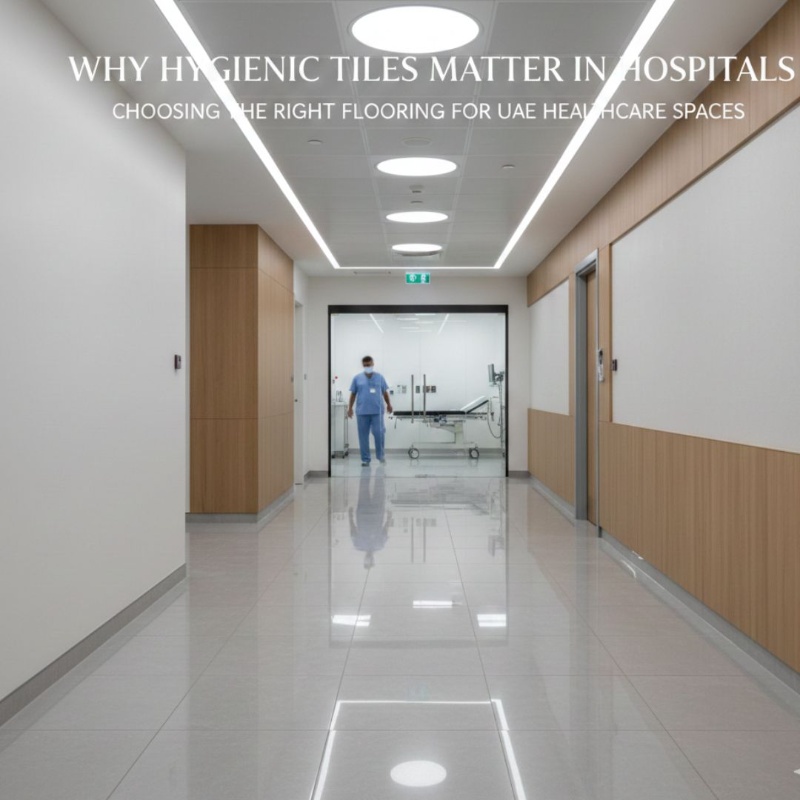
In a hospital, every surface matters, but floors matter more than most people realize. The tiles for hospital flooring that UAE healthcare facilities choose are constantly exposed to heavy foot traffic, rolling medical equipment, spills, strong cleaning chemicals, and bacteria. In environments where infection control and patient safety are non-negotiable, flooring is never just a design choice. It’s a critical hygiene and safety decision that directly impacts patient outcomes, staff efficiency, and regulatory compliance.
From corridors and wards to bathrooms and diagnostic areas, hospital flooring must support cleanliness, reduce slip risks, and withstand continuous use without deterioration. Understanding why hygienic tiles are essential and how to choose the right ones is the first step toward creating safer, more efficient healthcare spaces.
Key Takeaways
- Hospital flooring directly impacts hygiene and patient safety
- Antibacterial tiles support infection control
- Anti-slip surfaces reduce fall risks in wet areas
- Different hospital zones require different flooring materials
- UAE healthcare projects demand compliant, high-performance tiles
Why Hospital Flooring Is Completely Different from Regular Commercial Flooring
Hospitals operate under conditions that most commercial spaces never face. Floors must handle:
- Continuous foot traffic
- Movement of beds, trolleys, and wheelchairs
- Exposure to bodily fluids and chemicals
- Frequent deep cleaning and disinfection
- Vulnerable patients with weakened immunity
Office or retail flooring simply isn’t designed for this level of demand. That’s why hospitals require hygienic tiles hospitals trust, materials engineered for infection control and safety, not just durability.
The Non-Negotiable Pillars of Healthcare Flooring
Choosing the right tiles for hospital flooring projects isn’t about aesthetics alone. They are subjected to a unique set of demands that are not even close to ordinary residential and commercial spaces. The four main pillars are:
-
Hygiene & Infection Control: This is the foremost priority. Flooring must be non-porous, smooth, and easy to sanitize to prevent the harboring of bacteria, viruses, and fungi. The ideal surface allows for frequent cleaning with strong disinfectants without degrading.
-
Safety & Slip Resistance: With constant traffic from wheeled equipment, hurried staff, and vulnerable patients, high slip resistance is critical, even when the surface is wet. Reducing the risk of slips and falls protects everyone in the facility and is a core component of safety compliance.
-
Durability & Performance: Hospital floors endure relentless wear from heavy foot traffic, rolling gurneys, and equipment. The material must be highly resistant to scratches, stains, and chemical abrasion while maintaining its integrity and appearance for years, minimizing lifecycle costs.
-
Comfort & Acoustics: While often secondary, the comfort underfoot for staff who stand for long hours and the acoustic dampening of noise from carts and footsteps contribute significantly to a less stressful, more therapeutic environment.
Why Advanced Porcelain & Ceramic Tiles Are a Premier Choice
While materials like homogeneous vinyl or sheet flooring are common, high-performance porcelain and ceramic tiles present a compelling, often superior alternative for many healthcare zones. Here’s why:
Unmatched Hygiene:
Premium porcelain tiles are fired at very high temperatures. This process creates an extremely hard, non-porous surface that almost completely resists water absorption. Because moisture and germs can't penetrate it, the tile is naturally hygienic and simple to clean to meet strict sterile standards.
Engineered Safety:
We offer tiles with a variety of textured finishes and high slip-resistance ratings R9-R11+, suitable for wet areas like bathrooms, scrub stations, and entryways. This engineered safety is permanent, unlike coatings that can wear off over time.
Superior Durability:
Porcelain tiles are exceptionally tough. They resist scratches, harsh chemicals, and heavy impact, standing up to daily hospital traffic without showing wear. This ensures a floor that keeps its look for years and rarely needs replacing.
Design Flexibility & Wellbeing:
Modern healthcare design prioritizes healing over a sterile feel. Here, tiles excel with an unmatched variety of designs, colors, and sizes. Choose calming, light tones for patient rooms or use intricate patterns as intuitive wayfinding. This allows you to create a warm, positive atmosphere that promotes patient well-being, all without sacrificing the high-performance requirements of a medical facility.
Other Tile Options for Hospitals
While porcelain tiles are a premier choice, other materials also play specific and valuable roles in a hospital's flooring plan.
Vinyl flooring (PVC and homogeneous vinyl):
Vinyl flooring is a resilient, synthetic material made primarily from polyvinyl chloride (PVC). It offers consistent composition throughout its thickness, making it highly hygienic and long-lasting. It’s seamless, easy to clean, and often anti-static, an important feature in clinical environments.
Vinyl flooring is widely used in:
- patient rooms
- operation theatres
- ICUs
- laboratories
Rubber Flooring
Rubber flooring is a durable, elastic material manufactured from either natural or synthetic rubber compounds. Its shock-absorbing properties reduce fatigue and injury risks, though it’s less commonly used in sterile zones.
Rubber flooring is used selectively in:
- physiotherapy areas
- rehabilitation zones
- staff areas
Hospital Wall Tiles: Hygiene Beyond the Floor
Walls matter just as much as floors in healthcare settings.
Why Wall Tiles Are Important
Wall tiles protect surfaces from splashes, cleaning chemicals, and contamination. They also support infection control by providing smooth, washable surfaces.
In areas like treatment rooms, corridors, and wash zones, tiled walls help maintain cleanliness while resisting moisture damage.
Hospital Bathroom Tiles: Where Hygiene and Safety Must Meet
Bathrooms in hospitals are high-risk areas for both infection spread and accidents.
Key Requirements for Hospital Bathroom Tiles
- High slip resistance
- Low water absorption
- Easy-to-clean surfaces
- Resistance to mold and mildew
This is where antibacterial tiles and anti-slip finishes become especially important. Textured porcelain tiles and specially treated ceramic tiles are commonly used to ensure safety without compromising hygiene.
Can Hospitals Use the Same Flooring as Offices or Retail Spaces?
The short answer is no. Office and retail flooring is designed for appearance and moderate traffic. Hospital flooring must prioritize hygiene, safety, and long-term performance under extreme conditions.
Using non-medical flooring in healthcare environments often leads to faster wear, higher maintenance costs, and increased safety risks.
Hospital Flooring Options
|
Flooring Type |
Hygiene Level |
Slip Resistance |
Durability |
Best Use |
|
Porcelain Tiles |
High |
Medium-High |
Very High |
CorrVinylidors, Public areas |
|
Homogeneous Vinyl |
Very High |
Medium |
High |
ICUs, OT, wards |
|
PVC Vinyl |
High |
Medium |
Medium-High |
Patient Room |
|
Rubber Flooring |
Medium |
High |
Medium |
Rehab, Staff areas |
The Right Floor for Hospitals
In healthcare design, the floor is a fundamental element of the facility's ecosystem. Choosing advanced porcelain and ceramic tiles means investing in a solution that delivers unwavering hygiene, proven safety, and long-term value, all while providing the design flexibility to create spaces that heal. For your next hospital, clinic, or healthcare renovation project in the UAE, specify with confidence.
Explore Healthcare Tile Solutions at Volark Tiles
At Volark Tiles, tile collections are curated with healthcare environments in mind, balancing hygiene, safety, and durability for UAE hospitals and clinics.
Discover tiles suitable for high-traffic, hygienic spaces