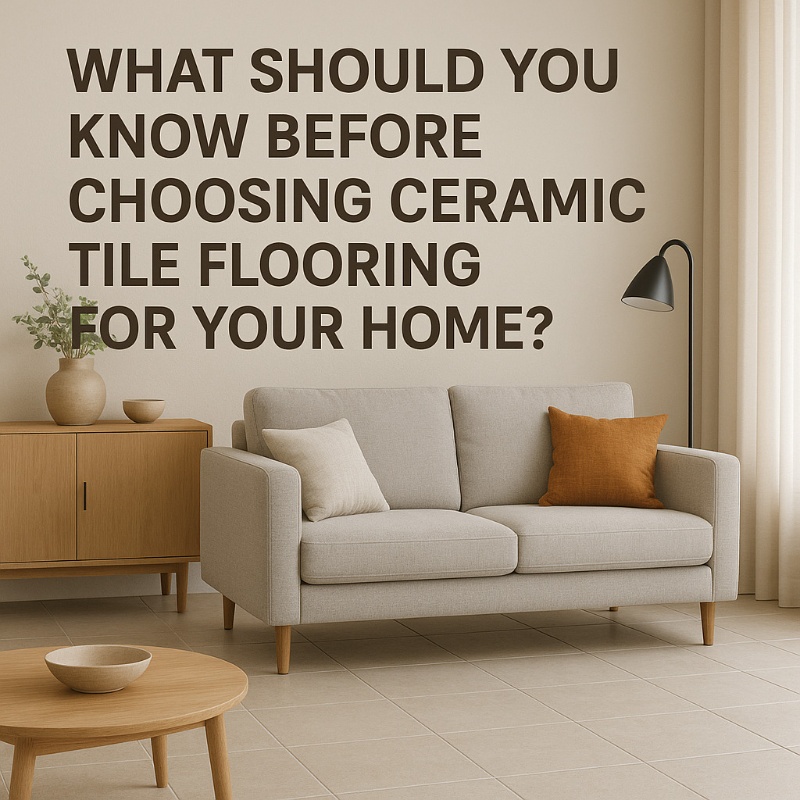






What Should You Know Before Choosing Ceramic Tile Flooring for Your Home?
Ceramic tile flooring has long been the homeowner's go-to choice, and it's no wonder why. Durable, sophisticated, and low-maintenance, ceramic feels at home in kitchen and bathroom spaces as comfortably as it does in living room and outdoor spaces.
But if you are installing new flooring, most likely you have questions like
- Is ceramic floor tile waterproof?
- What type of flooring can you put over ceramic tile in case of replacement?
- How do you keep ceramic floors looking new for years?
Here, we'll respond to those questions (and a couple of others) as well as offering expert advice from Volark Tiles, a premier provider of high-quality ceramic and porcelain wall tiles in Dubai and the surrounding region.
Key Takeaways
- Ceramic tile floors are convenient, durable, stylish, and low maintenance in almost any room.
- Waterproofing? Yes, especially if glazed, but the grout will be sealed.
- LVP, laminate, engineered hardwood, or carpet can be installed over ceramic (with proper preparation).
- Volark Tiles provides high-quality designs and green craftsmanship.
- Regular sweeping, mopping, and grout cleaning maintain ceramic looking new.
Why Ceramic Tile Flooring Is the Go-To Choice in the UAE
If you live in the UAE, you already know what your floors go through. Summers that push past 50°C, sandstorms that sneak in through the tiniest gaps, humidity levels that can make timber swell overnight. That is exactly why ceramic tile flooring has become the default choice for homes across Dubai, Sharjah, Abu Dhabi, and practically every emirate in between.
Ceramic stays cool underfoot even when the outdoor temperature is brutal. Walk barefoot on a ceramic floor in July and you will feel the difference compared to laminate or vinyl, which absorb heat and feel sticky in humid conditions. And because ceramic tiles have almost zero thermal expansion, they will not crack or buckle when your AC runs all day and the balcony temperature hits 48 degrees. That stability matters when you are investing in flooring that is supposed to last twenty or thirty years.
Sand is the other thing. If you have ever tried to keep hardwood floors clean in the UAE, you know it is a losing battle. Those fine desert particles act like sandpaper on soft surfaces. Ceramic tile flooring, especially glazed ceramic, shrugs it off. You sweep, you mop, and you are done. No scratches, no dulling, no damage.
Then there is the practical side of Gulf cooking. Heavy use of oils, spices like turmeric that stain everything, water splashing around the kitchen constantly. Ceramic handles all of that without absorbing odours or discolouring. This is why you will find ceramic floor tiles in almost every kitchen across the Emirates, from studio apartments in Dubai Marina to four-bedroom villas in Sharjah.
Why Is Ceramic Tile Flooring So Popular?
1. Timeless Style
Ceramic floor tiles also offer great versatility in being able to suit any interior style. Whether you want that rustic country farmhouse look, that sleek modern style, or that luxurious hotel-like ambiance, ceramic tiles come in an excellent variety of colors, designs, and textures. Volark Tiles, for example, has patterns that mimic natural stone, marble, and wood, so you get to have the look you want with the ease of being ceramic.
2. Unmatched Durability
Ceramic is fired at extremely high temperatures, which makes it strong enough to withstand heavy foot traffic, pets, and heavy use and abuse. It will not dent or tear like the softer product of vinyl or carpet. That is why it is most commonly the first choice for high-traffic areas like hallways, kitchens, and living rooms.
3. Easy Maintenance
One of the greatest advantages of ceramic tile flooring is how simple it is to clean. Pet accidents, spills, and mud can easily be wiped away without leaving a stain. Daily sweeping and the occasional mop normally work to keep the floor in like-new form.
Ceramic tile isn't only fashionable—it's designed to do the job.
Ceramic Tile Flooring vs Porcelain vs Vitrified: Which One Should You Pick?
This is the question that comes up in almost every tile showroom conversation. Someone walks in wanting ceramic, the salesperson mentions porcelain, and suddenly everyone is confused. So here is the straightforward breakdown, no jargon, no upselling.
Ceramic tiles are made from clay fired at around 900°C to 1100°C. They are lighter, easier to cut, and more affordable. Perfect for walls, backsplashes, and medium-traffic floors. Porcelain tiles use a finer, denser clay and are fired at higher temperatures, typically above 1200°C. That makes them harder, heavier, and almost completely non-porous. They can handle heavy foot traffic, outdoor use, and areas with serious moisture. Vitrified tiles go one step further. They are essentially porcelain that has undergone vitrification, a process that fuses silica and clay into a glass-like material. The result is extremely low water absorption and surface hardness that rivals natural stone.
| Feature | Ceramic Tiles | Porcelain Tiles | Vitrified Tiles | Natural Stone |
| Water Absorption | 3-7% | Less than 0.5% | Less than 0.1% | Varies (1-20%) |
| Durability | Good (PEI 3-4) | Very High (PEI 4-5) | Extremely High | High but chips |
| Cost (AED/sqm) | 25-60 AED | 45-120 AED | 55-150 AED | 100-500 AED |
| Best For | Walls, light floors | All floors, outdoor | Heavy traffic, commercial | Statement areas |
| Maintenance | Low | Very Low | Very Low | High (needs sealing) |
| Cutting Difficulty | Easy | Needs wet saw | Needs wet saw | Professional only |
| UAE Climate Suitability | Good (indoor) | Excellent | Excellent | Good |
So which one do you actually need? If you are tiling a kitchen wall or a bathroom backsplash, ceramic is perfectly fine and you will save money. If you are doing the living room floor or a high-traffic hallway, porcelain tiles give you extra peace of mind. And if you are working on a commercial project, a mall entrance, or an outdoor terrace, vitrified is worth the premium.
The honest truth is that for most residential projects in the UAE, good quality glazed ceramic tile flooring does the job beautifully. You do not need to overspend unless the application genuinely demands it.
Is Ceramic Floor Tile Waterproof?
Yes! but with a crucial proviso. The ceramic material in itself is highly water-resistant, especially if it has been glazed. But the grout between the tiles is porous and will absorb water unless sealed.
Pro Tips for Wet Spaces (Bathrooms, Kitchens, Laundry Rooms):
- Choose glazed ceramic tiles for maximum moisture protection.
- Tighten the grout during installation and tighten every 1–2 years.
- Select premium brands like Volark Tiles that offer advanced glaze technology.
With good installation and maintenance, ceramic and porcelain wall tiles for kitchens and bathrooms can look stunning for decades.
What Type of Flooring Can You Put Over Ceramic Tile?
If your current tile is solid structurally but outdated in design, you can install new flooring directly over it—time and money saved.
Popular options include:
|
Flooring Type |
Water Resistance |
Best For |
Notes |
|
Luxury Vinyl Planks (LVP) |
Excellent |
Kitchens, bathrooms, basements |
Comfortable underfoot, easy install |
| Laminate Flooring | Moderate | Living areas | Avoid in very wet spaces |
| Engineered Hardwood | Good |
Bedrooms, dining rooms |
More stable than solid wood |
|
Carpet or Carpet Tiles |
Low |
Bedrooms, offices |
Adds warmth and softness |
How Much Does Ceramic Tile Flooring Cost in the UAE?
Let us talk numbers because this is what most people actually want to know before they commit. Ceramic tile flooring is one of the most budget-friendly flooring options in the UAE, and the range is wide enough that there is something for almost every project.
For basic ceramic floor tiles, you are looking at roughly 25 to 45 AED per square metre. These work well for utility rooms, staff accommodation, and secondary bathrooms where the priority is function over aesthetics. Mid-range ceramic, the kind with decent pattern variety, consistent glazing, and a more refined finish, sits between 45 and 80 AED per square metre. This is the sweet spot for most residential projects. Premium ceramic floor tiles, which include high-definition printing that mimics marble, wood, or concrete, typically range from 80 to 130 AED per square metre.
Now, installation costs are separate. In Dubai and Sharjah, expect to pay 15 to 35 AED per square metre for labour, depending on the complexity of the layout and the contractor. A simple straight-lay pattern will cost less than herringbone or diagonal. Grout, adhesive, and waterproofing membrane add another 10 to 20 AED per square metre.
So for a typical three-bedroom apartment with around 120 square metres of floor space, you are looking at somewhere between 6,000 AED and 18,000 AED all in, depending on your tile choice and layout. Compare that to natural marble, which could easily run 30,000 to 60,000 AED for the same space, and you see why ceramic tile flooring is so popular across the Emirates.
Pro Tip: Level, repair, and clean the ceramic before installing some other form of flooring.
How Can Ceramic Tiles Enhance Your Home’s Style?
Ceramic's diversity in design makes it appropriate for any interior style:
· Sleek Minimalism – Large-format soft neutral-colored tiles.
· Bold Statements – Patterned or textured surfaces.
· Warm & Cozy – Wood-effect ceramic tiles to create a warm ambiance.
· Seamless Design—Make wall and floor tiles appear to be the same.
Volark Tiles has carefully chosen ranges so that you can easily mix colors, finishes, and patterns.
Best Ceramic Floor Tiles for Every Room
Kitchen
Your kitchen floor takes a beating. Oil splatters, water spills, dropped utensils, heavy foot traffic, it all adds up. Go with glazed ceramic in a matte or semi-matte finish. Glossy tiles look gorgeous but get slippery the moment someone drops a bit of water. Stick to larger formats, 60x60cm or 30x60cm, because fewer grout lines means less scrubbing. Neutral tones like beige, light grey, or warm cream work well because they do not show every speck of dust.
Bathroom
The bathroom is where water resistance becomes non-negotiable. Glazed ceramic floor tiles are the standard here, but make sure you pick ones with a slight texture or anti-slip tiles rating. Nobody wants a polished tile right outside the shower. For walls, you have more freedom. Go bold with patterned ceramic tiles, or keep it clean with large-format whites and greys. Small bathrooms benefit from bigger tiles because the fewer grout lines create a less cluttered appearance.
Living Room
This is where aesthetics take the front seat. Ceramic floor tiles that replicate natural marble, travertine, or polished concrete are hugely popular in UAE living rooms right now. Large format tiles, 80x80cm or 60x120cm, give the space a seamless, high-end look. If you are going for a warmer feel, wood-look ceramic tiles deliver the visual of hardwood without any of the humidity problems that actual timber has in the Gulf.
Bedroom
Bedrooms are lower traffic so you can go with thinner, lighter ceramic tiles without worrying about wear. A lot of people in the UAE prefer the warmth of wood-effect ceramic in bedrooms because it feels cosy without the downsides of real wood. If you run AC at night, which most people here do, ceramic stays comfortably cool without feeling cold.
Outdoor and Balcony
For outdoor tiles spaces in the UAE, ceramic tile flooring needs to handle direct sun, occasional rain, and temperature swings between day and night. Opt for anti-slip ceramic or porcelain with at least a PEI rating of 4. Matte finishes reduce glare, which matters when the sun is beating down. Stick to earthy tone outdoor tiles or stone-look tiles that will not show sand and dust.
Ceramic Tile Flooring Design Trends for 2026
Tile trends shift every couple of years, and 2026 has some interesting directions if you are planning a renovation or new build in the UAE.
Large format tiles continue to dominate. The 80x160cm and even 120x120cm sizes are becoming standard for living areas. The logic is simple. Bigger tiles mean fewer grout lines, which gives your floor a cleaner, more expansive look. This is especially relevant in open-plan apartments and villas where you want visual continuity from the entrance through to the living area.
Matte finishes have overtaken gloss in nearly every design category. Polished tiles were the default five years ago but the industry has moved toward satin and matte because they hide smudges, feel better underfoot, and photograph better for that modern interior look everyone is after.
Wood-look ceramic tiles are not going anywhere. In fact, they are getting more realistic every year thanks to high-definition inkjet printing. The grain textures, the colour variation between planks, the slight surface relief, you genuinely have to touch them to tell they are not real timber. For the UAE market, this is a game-changer because real wood is a liability in humid conditions.
Concrete-look and terrazzo-effect ceramics are gaining momentum, particularly in modern apartments and commercial spaces. They give that industrial-chic aesthetic without the cold, hard reality of actual concrete.
Colour-wise, warm neutrals are king. Greige, a blend of grey and beige, continues to be the most popular floor colour in UAE interiors. It works with everything, from bold furniture to minimalist spaces, and it does not show sand and dust the way pure white or dark charcoal does.
How Do I Clean Ceramic Tile Floors?
Low maintenance is one of the largest benefits of ceramic. A little maintenance does go a long way, though
· Sweep or vacuum regularly to prevent scratching.
· Sanitize using gentle detergents (no chemical cleaners).
· Immediately clean spills to preserve grout.
· Seal grout every two years in moist areas.
Ceramic Tile Flooring Installation Tips for UAE Homes
Getting the right tile is only half the job. Installation makes or breaks the final result, and the UAE climate throws a few curveballs that installers in cooler countries never think about.
First, acclimatise your tiles. If the tiles have been sitting in a warehouse in the industrial area and you bring them into an air-conditioned apartment, the temperature difference can cause condensation on the surface. Let them sit in the room for 24 to 48 hours before installation.
Second, use the right adhesive. In the UAE, you want a flexible, polymer-modified thin-set adhesive. Standard cement adhesive is cheap but it does not handle the thermal movement that comes with UAE temperature swings. If your apartment balcony hits 55 degrees in summer and drops to 18 degrees in winter, a rigid adhesive will crack. Flexible adhesive absorbs that movement.
Third, do not skip the waterproofing in wet areas. A proper liquid waterproofing membrane under the tiles in bathrooms and kitchens costs very little but saves you from massive headaches later. Water damage to the screed and the apartment below is one of the most common maintenance complaints in UAE buildings.
Fourth, grout matters more than people think. Use epoxy grout in kitchens and bathrooms. It costs more than cement grout but it does not absorb water, does not stain from turmeric or coffee, and lasts significantly longer without discolouring. For dry areas, regular cement grout is fine.
And finally, hire someone who actually knows what they are doing. The cheapest quote is rarely the best value. A poorly installed floor develops hollow spots, cracks, and uneven grout lines within months. Ask to see previous work, check if they use a notched trowel properly, and make sure they back-butter large format tiles.
Why Volark Tiles for Your Home?
When we're talking about ceramic kitchen tile or kitchen ceramic tile backsplash, not every tile is the same. Volark is unique with:
· Precise manufacturing for close, uniform grout lines.
· New glaze technology for enhanced water and stain resistance.
· High-definition printing to closely replicate natural materials.
· Eco-friendly production for a sustainable upgrade.
If you want ceramic and porcelain wall tiles in Dubai that combine style, performance, and sustainability, Volark is the name to trust.
Frequently Asked Questions
1. Is ceramic tile flooring waterproof?
Glazed ceramic tiles are highly water-resistant on the surface, but they are not technically waterproof through the body. The glaze acts as a barrier. However, the grout between tiles is porous and needs sealing, especially in bathrooms and kitchens. For fully waterproof performance, porcelain tiles have lower absorption rates.
2. How long does ceramic tile flooring last?
With proper installation and basic maintenance, ceramic tile flooring can last 30 to 50 years or even longer. The glaze can wear over time in extremely high-traffic areas, but for residential use, the lifespan is exceptional compared to laminate, vinyl, or carpet.
3. Is ceramic tile flooring good for the UAE climate?
Absolutely. Ceramic stays cool underfoot in hot conditions, handles humidity without warping, and resists sand abrasion from desert dust. It is one of the most practical flooring choices for homes across Dubai, Sharjah, Abu Dhabi, and the northern emirates.
4. What is the difference between ceramic and porcelain tiles?
Both are made from clay, but porcelain uses a finer clay and is fired at higher temperatures. This makes porcelain denser, harder, and more water-resistant. Ceramic is easier to cut, lighter, and more affordable. For most walls and medium-traffic floors, ceramic works perfectly. For heavy traffic or outdoor use, porcelain is the better investment.
5. How much does ceramic tile flooring cost in the UAE?
Basic ceramic floor tiles start around 25 AED per square metre. Mid-range options run 45 to 80 AED, and premium high-definition ceramic tiles can go up to 130 AED per square metre. Installation typically adds 15 to 35 AED per square metre depending on the layout complexity.
6. Can I install ceramic tiles over existing flooring?
Yes, you can install ceramic over existing tiles, concrete, or cement board, as long as the surface is clean, level, and structurally sound. You cannot install directly over carpet or floating floors. The existing surface needs to be stable with no hollow spots.
7. What size ceramic tiles are best for small rooms?
Larger tiles, like 60x60cm or 30x60cm, actually make small rooms look bigger because there are fewer grout lines breaking up the visual space. Avoid very small tiles like mosaics on floors in tight spaces as they create visual clutter.
8. Are ceramic tiles slippery?
Glossy ceramic tiles can be slippery when wet. For bathrooms, kitchens, and outdoor areas, choose matte or textured finishes with an anti-slip rating. Most reputable manufacturers mark the slip resistance on the tile specification sheet.
9. How do I clean ceramic tile floors?
Sweep or vacuum regularly to remove sand and dust. Mop with warm water and a mild pH-neutral cleaner. Avoid harsh acidic cleaners as they can erode grout. For stubborn stains, a paste of baking soda and water works well. Seal grout lines every one to two years in wet areas.
10. Can ceramic tiles be used outdoors in the UAE?
Standard ceramic can be used on covered balconies, but for fully exposed outdoor areas, porcelain or vitrified tiles are the better choice due to their lower water absorption and higher frost resistance. If you do use ceramic outdoors Tiles, pick anti-slip matte finishes with a PEI rating of 4 or higher.
11. What are the best ceramic floor tile designs for 2026?
Large format tiles, matte finishes, wood-look ceramics, concrete-effect tiles, and warm neutral tones like greige and sand are dominating 2026 interiors. Bold geometric patterns are also popular for accent areas like entryways and powder rooms.
12. Where can I buy ceramic tiles in Sharjah and Dubai?
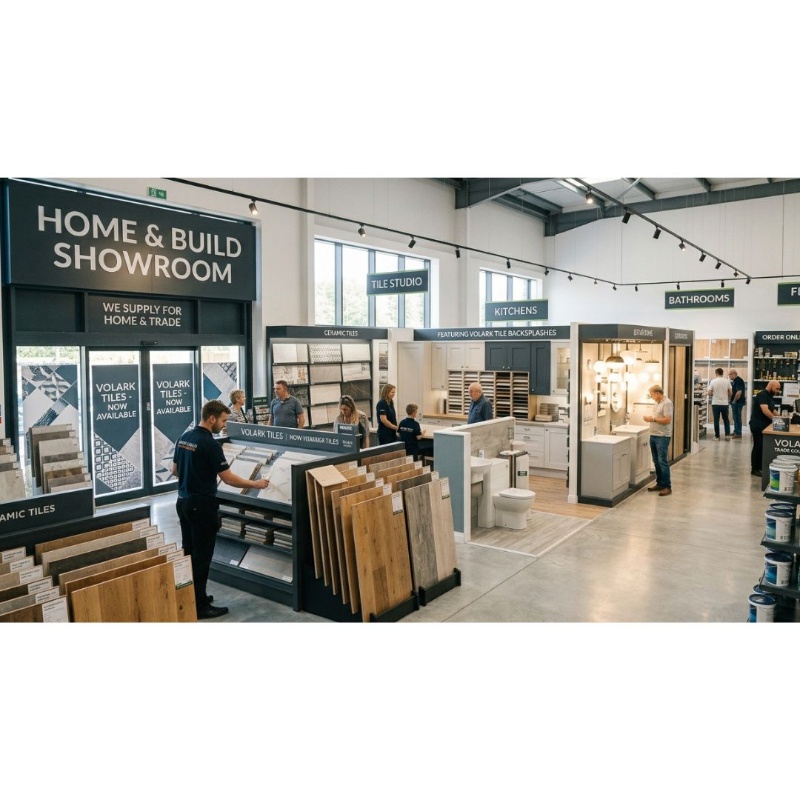
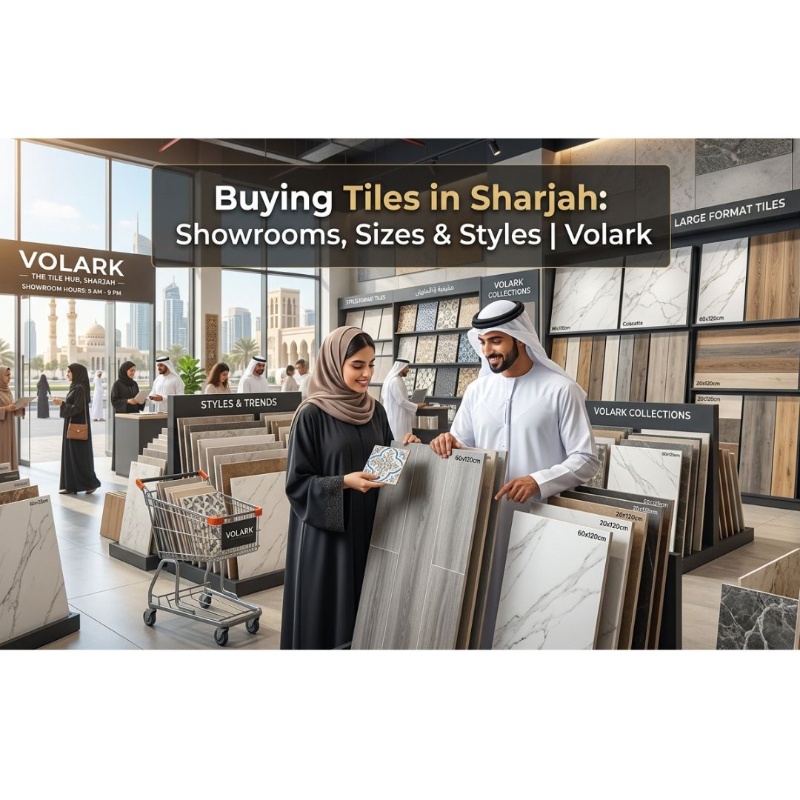
Volark Tiles operates a showroom in Sharjah with delivery across all emirates including Dubai, Abu Dhabi, Ajman, Umm Al Quwain, and Ras Al Khaimah. You can visit in person to see samples or request a quote online.