

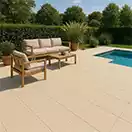



kinds of floor tiles
Let me save you some time. If you're reading this, you're probably standing in the middle of a renovation (or about to start one), and the sheer number of tile options is making your head spin. Ceramic, porcelain, marble, vinyl — they all look great in the showroom. But which one actually makes sense for your home, your budget, and the way you actually live?
I've spent years working around flooring projects, and the biggest mistake I see people make isn't choosing an ugly tile. It's choosing a beautiful tile that doesn't belong in the room they put it in. Marble in a kids' bathroom. Cheap ceramic in a busy commercial entrance. Gorgeous but high-maintenance cement tiles for someone who barely remembers to vacuum.
So let's walk through this properly. Not just a list of tile types — but what actually works where, what'll cost you, and what nobody tells you until it's too late.
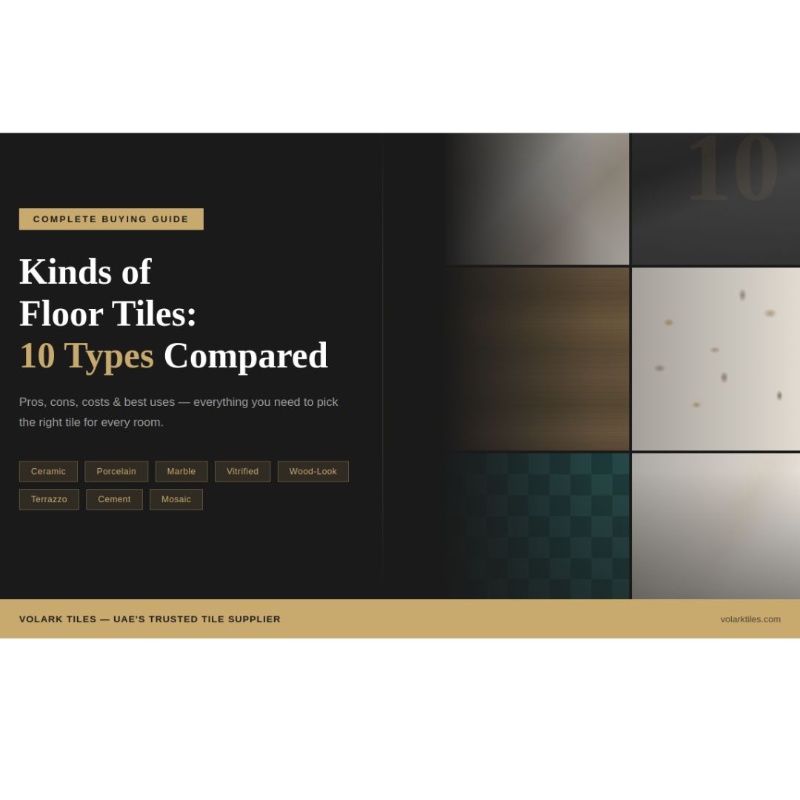
The 10 Types of Floor Tiles You'll Actually Come Across
There are technically dozens of different kinds of floor tiles if you count every sub-variety, but these are the ten that matter when you're making a real buying decision.
1. Ceramic Tiles — The Reliable Everyday Option
Ceramic is where most people start, and honestly, for a lot of rooms it's where they should stay. It's clay, fired in a kiln, usually glazed on top. Nothing fancy about the process, which is exactly why it's affordable.
You'll get an insane range of colors and patterns. Want something that looks like wood? They've got it. Marble look? Sure. Geometric Moroccan patterns? Absolutely. The design options are basically endless at this point.
Where ceramic falls short is toughness. Drop a heavy pot on it and you'll probably get a chip. It absorbs more water than porcelain, so I wouldn't use it on an outdoor patio or anywhere that freezes in winter. And the cheap stuff — like really cheap, dollar-per-square-foot cheap — can look obviously cheap once it's installed.
Where it works best: Bathrooms, bedrooms, guest areas, and backsplashes. Basically anywhere that doesn't get beaten up daily.
What you'll pay: Roughly $1 to $7 per square foot for the tile itself. Installation is usually on the lower end too since it's easy to work with.
Browse Ceramic Tiles Collection →
2. Porcelain Tiles — Ceramic's Tougher, More Expensive Cousin
Here's what a lot of people don't realize: porcelain IS ceramic. It's just made from finer clay and fired hotter, which makes it denser and way less porous. The water absorption rate is under 0.5%, which is why you'll see it recommended for basically every wet or high-traffic area.
Porcelain is what I'd call the safe choice — and I mean that as a compliment. It goes anywhere. Kitchen floor that sees constant spills? Fine. Bathroom that's perpetually damp? No problem. Outdoor terrace? As long as you get one rated for exterior use, absolutely.
The trade-off is weight and price. These tiles are heavy, and they're harder to cut. DIY installation is possible but honestly, unless you've done it before, hire someone. A bad porcelain installation with uneven tiles and lippage will haunt you every time you walk across the room.
Where it works best: Kitchens, hallways, entryways, bathrooms, laundry rooms, outdoor areas. Basically everywhere.
What you'll pay: $3 to $15 per square foot. The wood-look and stone-look varieties tend to sit in the $5–$10 range.
Quick tip — if you're going back and forth between ceramic and porcelain for a kitchen or bathroom, just go porcelain. The price difference per square foot isn't dramatic, and you'll get a floor that handles life much better over 15–20 years. Volark offers porcelain in 600x600 mm, 600x1200 mm, and even large-format 1200x2400 mm slabs if you want minimal grout lines.
3. Natural Stone — Marble, Granite, Slate, Travertine, Limestone
I'm grouping these together because they share the same fundamental deal: they're real rock, they look absolutely gorgeous, and they require more babysitting than any manufactured tile.
Let's be honest about marble specifically, because it's the one everyone wants. Marble is soft for a stone. It scratches. It stains. Acidic stuff — lemon juice, tomato sauce, wine, even some cleaning products — will etch the surface and leave dull marks. If you put marble in a kitchen where people actually cook, you need to accept that it's going to develop character (that's the polite word for wear).
Granite is the tough one in this family. Much harder to scratch, more resistant to stains, handles kitchen duty better. Slate has that beautiful layered texture and works well outdoors. Travertine gives you that warm Mediterranean look but needs sealing. Limestone is elegant but soft — treat it like marble in terms of maintenance.
Every single one of these needs to be sealed. Regularly. If that sentence made you sigh, stone probably isn't for you — and that's completely fine. There are porcelain tiles now that mimic stone so convincingly that most visitors won't know the difference. Check out finishes like polished and bookmatch for marble-look options without the marble headaches.
Where it works best: Living rooms, foyers, master bathrooms (low-traffic ones), feature areas. Granite handles kitchens. Slate works outdoors.
What you'll pay: Anywhere from $5 to $50+ per square foot. Marble and granite sit in the middle. Rare stones go higher. Then add installation, which isn't cheap either since the material is heavy and needs experienced hands.
4. Vitrified Tiles
If you're in the Middle East, South Asia, or parts of Southeast Asia, you already know vitrified tiles. They're huge in this part of the world, and for good reason — they look like polished stone, they're nearly waterproof, and they barely need any maintenance.
The manufacturing process fuses silica with clay at extreme temperatures, creating something almost glass-like on the surface. That's what gives vitrified tiles their characteristic shine and makes them so resistant to stains and water.
The main thing to watch out for? Slipperiness. The high-gloss versions are like an ice rink when wet. If you're using them in a bathroom or near a pool, go for the matte or anti-skid finish. It's worth sacrificing a little shine for not breaking your tailbone. Volark's glossy series and matte series give you both options.
Where it works best: Living rooms, offices, commercial lobbies, dining areas — anywhere indoors where you want that clean, polished-floor look.
5. Cement Tiles (Encaustic Tiles)
Cement tiles are having a moment right now, and I get why. Those bold geometric patterns, the rich colors, that slightly imperfect handmade character — there's nothing else quite like them. Each tile is individually made by pressing pigmented cement into molds. No kiln. The color goes all the way through the tile, not just on the surface.
Here's what the Instagram photos don't show you: cement tiles are porous. Very porous. They need to be sealed before use, and resealed periodically. Spill red wine on an unsealed cement tile and you'll have a permanent reminder. They're also sensitive to acidic cleaners, so you can't just mop with whatever's under your sink.
Are they worth the maintenance? If you love the look — genuinely yes. A cement tile floor or a cement tile accent area can completely transform a space. Just go in with open eyes about the upkeep.
Where it works best: Entryways, bathroom floors, restaurant floors, kitchen accents (not the whole kitchen floor unless you're very committed to maintenance).
What you'll pay: per square foot. Handmade quality comes at handmade prices.
6. Terrazzo
Terrazzo has been around since the 1500s and it's still one of the most beautiful flooring options you can get. It's basically marble, quartz, glass, or granite chips suspended in a cement or resin base. You can get it as pre-made tiles or poured on-site.
The durability is ridiculous. There are terrazzo floors in European buildings that are hundreds of years old and still look good. In a residential setting, you can realistically expect 75+ years out of a well-maintained terrazzo floor. Try getting that from laminate.
The catch? Cost. Terrazzo tiles aren't cheap, and poured-in-place terrazzo is genuinely expensive. It's also heavy, cold underfoot, and the cement-based versions need sealing. But if you're designing a space where the floor IS the design statement, terrazzo delivers like nothing else.
Where it works best: Entryways, commercial spaces, kitchens, and living areas where you want a design focal point.
7. Wood-Look Tiles
This category has exploded in the last decade and it's not hard to see why. People love how wood floors look. People don't love how wood floors react to water, humidity, termites, and scratches. Wood-look porcelain tiles solve all of those problems.
The technology has gotten seriously impressive. Modern wood-look tiles have textured surfaces that actually feel like wood grain when you run your hand across them. They come in plank shapes, realistic knot patterns, and dozens of "species" — oak, walnut, teak, reclaimed barn wood, you name it.
They're not perfect though. Grout lines are a giveaway up close (using a matching grout color helps). They're harder and colder than real wood, which you'll notice in bare feet. And some of the cheaper ones look... well, like tiles pretending to be wood. Spend a bit more and get the ones with realistic embossing — the difference is night and day. Volark's 200x1200 mm and 150x900 mm planks are sized specifically for that authentic wood-plank look.
Where it works best: Bathrooms, kitchens, basements, covered outdoor areas. Anywhere you want wood's warmth without wood's problems.
8. Mosaic Tiles
Mosaics are the accent pieces of the tile world. Small tiles — typically under 2 inches — mounted on mesh backing sheets. They can be glass, stone, ceramic, porcelain, or even metal. You don't usually tile an entire room with mosaics (though you can). They're for adding detail where it counts.
Shower floors are probably their best application. The small tile size means more grout lines, which actually gives you better grip when things are wet. Bathroom accent walls, kitchen backsplashes, pool surrounds, decorative borders around a larger tile — that's mosaic territory.
Just know that more grout lines means more cleaning. If scrubbing grout isn't your idea of a fun Saturday, limit mosaics to accent areas rather than entire floors.
Where it works best: Shower floors, accent walls, backsplashes, pool areas, decorative borders.
9. Quarry Tiles
Quarry tiles don't get the attention they deserve. These are dense, unglazed tiles made from ground minerals fired at high temperatures. They've got a rustic, earthy look — think terracotta tones, warm reds, and natural browns. You've seen them in old Italian restaurants, Spanish-style homes, and commercial kitchens.
The unglazed surface is actually an advantage in some situations. It provides natural slip resistance, which is why commercial kitchens love them. They're also incredibly tough — they can handle serious foot traffic, heavy equipment, and temperature extremes without flinching.
Downside: that unglazed surface also absorbs stains if you don't seal it. And the color options are limited to earth tones. If you want bright white or bold colors, quarry tile isn't it.
Where it works best: Commercial kitchens, mudrooms, outdoor patios, rustic-style homes, covered walkways.
10. Luxury Vinyl Tile (LVT)
I know, I know — vinyl isn't "real" tile. But it competes directly with ceramic and porcelain for most residential applications, so leaving it out would be doing you a disservice.
LVT is layers of vinyl engineered to look like stone, wood, or concrete. The good stuff is genuinely hard to distinguish from the real thing. It's also waterproof, warm underfoot, quiet to walk on, and easy enough to install that most handy homeowners can do it themselves with a click-lock system and a weekend.
Where it falls short: longevity. A porcelain floor can last 50+ years. LVT? More like 10–20 with normal wear. Heavy furniture can dent it. Sharp objects can gouge it. And cheap LVT can have off-gassing issues, so don't go bargain-basement on the quality.
But for the price? It's hard to argue with. If you're renovating a rental property, updating a basement, or working with a tight budget, LVT gives you a lot of look for not a lot of money.
Where it works best: Basements, rentals, bedrooms, laundry rooms, budget renovations.
So How Do You Actually Choose?
Reading about 10 different types of flooring is great, but at some point you need to narrow it down. Here's the process I'd use if I were tiling a room tomorrow:
Step one — what does the room demand? Start here, always. A bathroom needs water resistance. A kitchen needs durability AND water resistance. A living room needs to look good and feel comfortable. An outdoor space needs weather resistance. Let the room's requirements eliminate options first, then choose from what's left.
Step two — what's your actual budget? And I mean the full budget, not just material cost. A $4/sq ft tile with $6/sq ft installation costs you $10 total. A $7/sq ft tile with $3/sq ft installation also costs you $10. Factor in subfloor prep, sealing (if needed), grout, trim pieces, and always — always — add 10–15% extra material for cuts and waste. Running out of tile mid-project and finding out your batch is discontinued is a nightmare I've seen happen more than once.
Step three — be honest about maintenance. I can't stress this enough. The number of people who install beautiful natural stone floors and then get frustrated when they need regular sealing and careful cleaning is... a lot. If you want low maintenance, stay in the porcelain/vitrified/LVT lane. If you're willing to put in the work, stone and cement tiles reward you with character that manufactured tiles can't match.
Step four — take samples home. Never choose a tile based on how it looks in a showroom or on a screen. Lighting changes everything. Grab samples, put them on your floor, look at them in the morning and at night, in natural and artificial light. A tile that looked perfect at the store can look completely wrong in your space.
Not sure how many tiles you'll need? Use Volark's free Tiles Calculator to get an accurate estimate before you buy.
Calculate How Many Tiles You Need →
Quick Room-by-Room Guide
| Room | Best Options | Why These Work |
|---|---|---|
| Kitchen | Porcelain, vitrified, quarry | Tough enough for spills, drops, and constant foot traffic |
| Bathroom | Porcelain, mosaic (shower floors), ceramic | Water resistance is non-negotiable here |
| Living Room | Marble, terrazzo, wood-look porcelain, vitrified | This is where aesthetics can take priority |
| Bedroom | Wood-look tile, LVT, ceramic | Comfort and warmth matter most underfoot |
| Entryway | Porcelain, granite, terrazzo | First thing people see, gets the most abuse |
| Outdoors | Exterior porcelain, slate, quarry | Must handle weather, UV, and temperature swings |
| Commercial | Porcelain, terrazzo, quarry, vitrified | Durability and low maintenance are everything |
Mistakes That Cost People Real Money
I'll wrap up with the errors I see people repeat over and over. Avoiding even one of these could save you hundreds or thousands:
Not checking the slip rating. Tiles have a coefficient of friction (COF) rating. For wet areas, you want at least 0.42 COF or an R10 rating. I've seen people install beautiful polished porcelain on a shower floor and then wonder why they're slipping every morning. Check the specs before you buy, not after.
Forgetting about grout. Your grout color will change the entire look of your floor. Dark grout with light tiles creates a grid pattern. Matching grout with any tile creates a seamless look. Decide on grout color at the same time you choose your tile — it's not an afterthought.
Ordering the exact amount needed. Order 10–15% extra. Period. Tiles break during cutting and installation. You might need replacements years later, and matching a discontinued batch is nearly impossible. That extra box sitting in your garage might feel wasteful today, but future-you will be grateful.
Choosing based on a photo. Screen colors lie. Showroom lighting lies. The only way to know how a tile will look in your space is to physically bring a sample home and live with it for a day or two.
Spending the whole budget on tile and skimping on installation. I'll say it bluntly: a $5 tile installed by a skilled professional will look and perform better than a $15 tile installed badly. Uneven tiles, visible lippage, cracking grout within months — all of that comes from cutting corners on labor. Don't do it.
The Bottom Line
There's no single "best" tile. There's the best tile for your kitchen, which is different from the best tile for your bathroom, which is different from the best tile for your budget. The key is matching the material to the job.
If I had to give one default recommendation for someone who's overwhelmed and just wants a solid, versatile choice? Go with porcelain. It's not the sexiest answer. It's not the cheapest. But it goes almost anywhere, lasts practically forever, barely needs maintenance, and comes in enough styles to suit any design taste. There's a reason every flooring professional I know defaults to it when clients can't decide.
Whatever you choose, take your time, bring samples home, and budget for proper installation. Do those three things and you'll end up with a floor you're happy to walk on for a very long time.
Get a Free Quote from Volark Tiles →
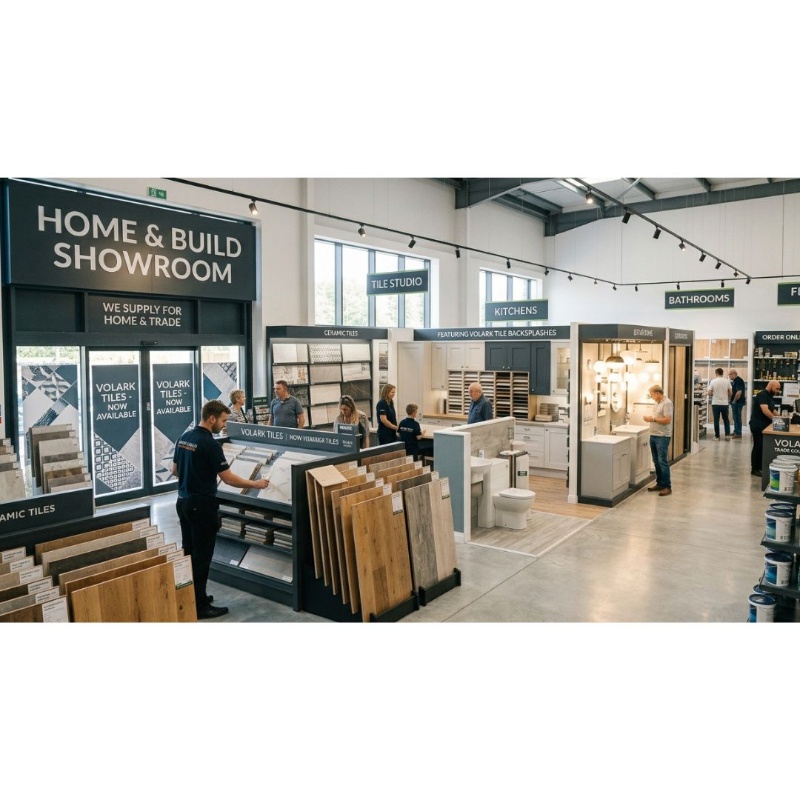
Based in the UAE? Visit our showrooms in Dubai, Sharjah, Abu Dhabi, and Ajman to see and feel the tiles before you buy.