




Skirting Tiles UAE – Types, Sizes & Where to Buy
By Suhail Ahmed Gour | 6 min read
There's a part of every room that most people ignore — the thin strip where your wall meets the floor. No skirting, and the whole space looks unfinished. Wrong skirting, and you're replacing it in two years. Get it right, and your floors look expensive, your walls stay protected, and the room comes together the way it's supposed to.
If you're in the UAE and looking for skirting tiles — whether for a new villa in Dubai, an apartment renovation in Sharjah, or a commercial fitout in Abu Dhabi — this guide covers everything you need to know before you buy.
| Quick Summary |
|
What Are Skirting Tiles?
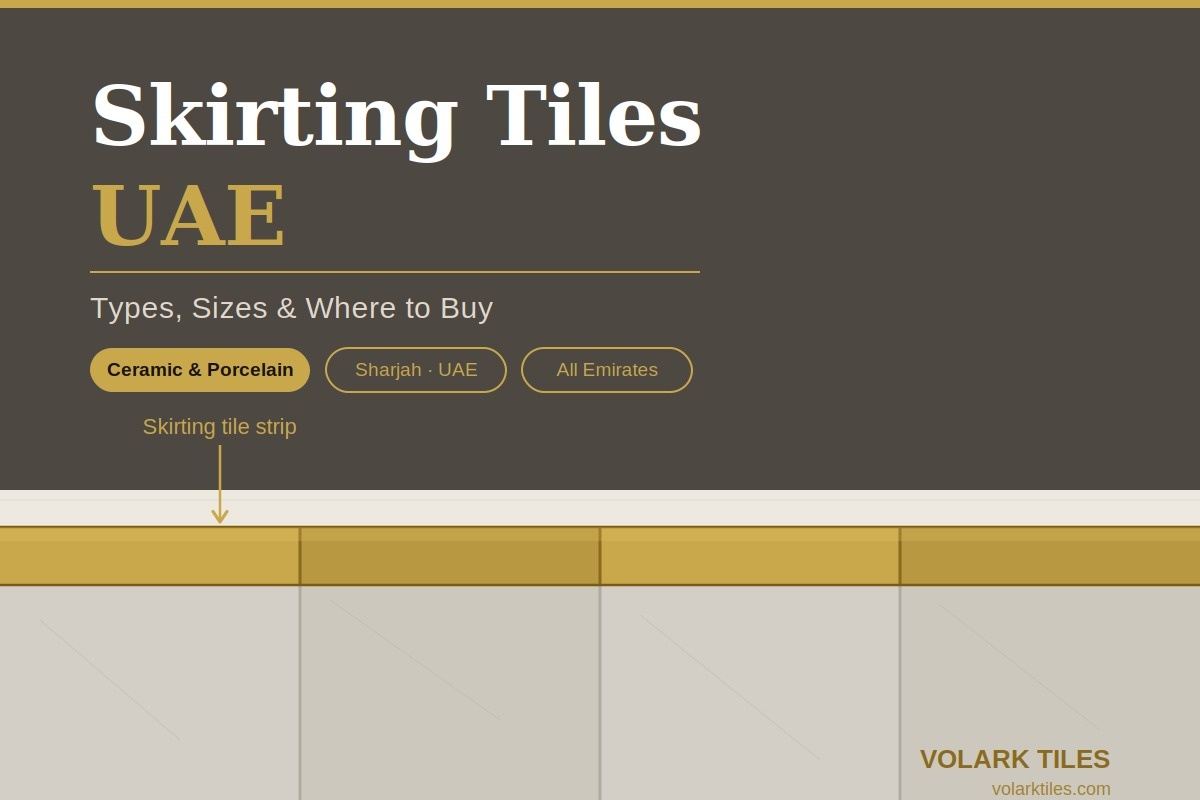
Skirting tiles are narrow tile pieces — usually cut from the same material as your floor tile — installed vertically along the bottom of a wall. They sit right at the junction between your floor and wall, filling the gap and giving the whole floor installation a finished, professional look.
Unlike wooden or PVC skirting boards, skirting tiles are made from ceramic, porcelain, or natural stone. That means they match your floor perfectly, they're waterproof, and they don't warp, peel, or crack in UAE humidity. Once they're grouted in, you basically forget they exist — which is exactly how it should be.
In UAE homes and commercial spaces, skirting tiles have become the default choice for tiled floors. Builders use them in apartments, villas, bathrooms, kitchens, and office lobbies. They work with every tile type — marble-effect porcelain, wood-effect tiles, large-format slabs, and standard ceramic floors.
Why You Actually Need Skirting Tiles (Not Just for Looks)
The visual finish is one reason. But there are practical reasons skirting tiles matter in the UAE specifically:
1. They Cover Expansion Gaps
Every tiled floor needs a small gap between the last tile and the wall. Without this gap, temperature changes cause the tiles to crack from the pressure. Skirting tiles cover this gap completely — clean, invisible, protected.
2. UAE Humidity Protection
The wall-floor junction is where moisture creeps in, especially in bathrooms, kitchens, and ground-floor areas. Wooden skirting boards can absorb that moisture, swell, and eventually peel away from the wall. Porcelain skirting tiles are completely non-porous — no swelling, no mould, no damage.
3. Wall Protection from Daily Life
Vacuum cleaners, mop heads, kids, furniture legs — all of it hits that bottom few inches of wall constantly. Skirting tiles are far tougher than paint or plaster. They take the hits without showing damage.
4. Easy Cleaning
The wall-floor junction collects dust and grime fast. A smooth tile surface wipes clean in seconds. No buildup, no special cleaning products needed.
| Ready to See Our Skirting Tile Range? |
|
Visit our showroom in Sharjah or get in touch via WhatsApp to browse our full collection. We supply skirting tiles to match all major tile ranges — ceramic, porcelain, marble-effect, and wood-effect. |
Types of Skirting Tiles Available in the UAE
Ceramic Skirting Tiles
The most affordable option. Works well in bedrooms, living rooms, and low-humidity areas. Available in hundreds of colours and finishes to match standard ceramic floor tiles. Not recommended for wet areas like bathrooms or outdoor use — ceramic absorbs moisture over time.
Porcelain Skirting Tiles
The most popular choice for UAE homes and commercial spaces. Porcelain is denser than ceramic, essentially non-porous, and handles humidity with no issues. It works in bathrooms, kitchens, balconies, and outdoor corridors. Available in matte, glossy, and textured finishes. Matches the full range of modern large-format tiles.
Marble-Effect Porcelain Skirting
If your floor is marble-effect porcelain — popular in UAE villas and high-end apartments — matching skirting tiles in the same pattern complete the look cleanly. These look expensive and maintain the visual continuity from floor to wall.
Wood-Effect Skirting Tiles
For wood-look porcelain or ceramic floors, matching skirting tiles in the same wood-grain pattern are available. These give the appearance of wooden skirting boards without any of the maintenance issues that come with real wood in the UAE climate.
Natural Stone Skirting
Marble, travertine, and granite skirting pieces for high-end finishes. Usually cut from the same stone batch as the floor tiles for a consistent vein pattern. Requires sealing. Best suited for luxury residential projects.
Skirting Tile Sizes: What Height Should You Use?
Standard skirting tile heights used in the UAE:
| Height | Best For | Common in UAE |
|---|---|---|
| 7cm | Minimal, modern look | Apartments, compact spaces |
| 8cm | Standard residential | Most common in UAE villas |
| 10cm | Balanced look, suits larger rooms | Villas, open-plan living areas |
| 12cm | Statement finish, high ceilings | Commercial, luxury residential |
| 15cm | Grand, architectural finish | Hotel lobbies, commercial spaces |
The general rule: taller ceilings and larger tiles benefit from taller skirting. A 3-metre ceiling with large-format 60x120cm floor tiles looks better with 10–12cm skirting than with 7cm strips.
Width is standard — skirting tiles are cut to match the length of your floor tile, so they align cleanly on the wall. Corner pieces (internal and external) are available separately.
How to Calculate Skirting Tiles for Your Room
This is one of the most common questions we get. Here's the simple method:
- Measure the total perimeter of the room (all walls combined) in metres
- Subtract doorways and other openings
- Divide by the length of one skirting tile
- Add 10% for cuts and wastage
Example: Room perimeter is 20 metres, doorways total 2 metres. Net skirting length needed = 18 metres. If your skirting tile is 60cm (0.6m) long, you need 18 ÷ 0.6 = 30 tiles. Add 10% = 33 tiles to order.
If you're not sure, bring your floor plan or room dimensions to our showroom and we'll calculate it for you on the spot — no charge.
Skirting Tile Installation in UAE: What to Know
Installation is simpler than most people think when you have the right materials and a decent tiler. The basic process:
- Prepare the wall base — surface must be clean, flat, and free of dust
- Apply tile adhesive — use the same adhesive as the floor tiles; flexible adhesive for large-format skirting
- Set the skirting tile — bottom edge sits flush on the floor tile; check for level
- Leave a small grout joint — between skirting and floor to allow for movement
- Grout — matching grout colour to the floor tile for a seamless look
- Silicone bead at floor junction — optional but recommended in wet areas; prevents water entry
Most experienced tilers in the UAE can complete skirting installation as part of the main floor tiling job. It adds a day to the timeline at most for a standard apartment.
Skirting Tiles vs Skirting Boards: Which Is Better in the UAE?
| Feature | Skirting Tiles | PVC / Wood Skirting Boards |
|---|---|---|
| Humidity resistance | Excellent (especially porcelain) | Moderate to poor (warps over time) |
| Maintenance | Minimal — wipe clean | Regular cleaning; repainting needed |
| Visual match with floor | Perfect match possible | Approximation only |
| Durability | 20+ years with proper installation | 5–12 years depending on material |
| Cost (UAE market) | AED 3–15 per piece depending on type | AED 5–25 per metre |
| Suitable for wet areas | Yes (porcelain/ceramic) | No (moisture damage) |
For tiled floors in the UAE, skirting tiles win on every practical measure. The only time skirting boards make sense is for parquet or laminate wood flooring where tile skirting would look visually out of place.
Where to Buy Skirting Tiles in UAE
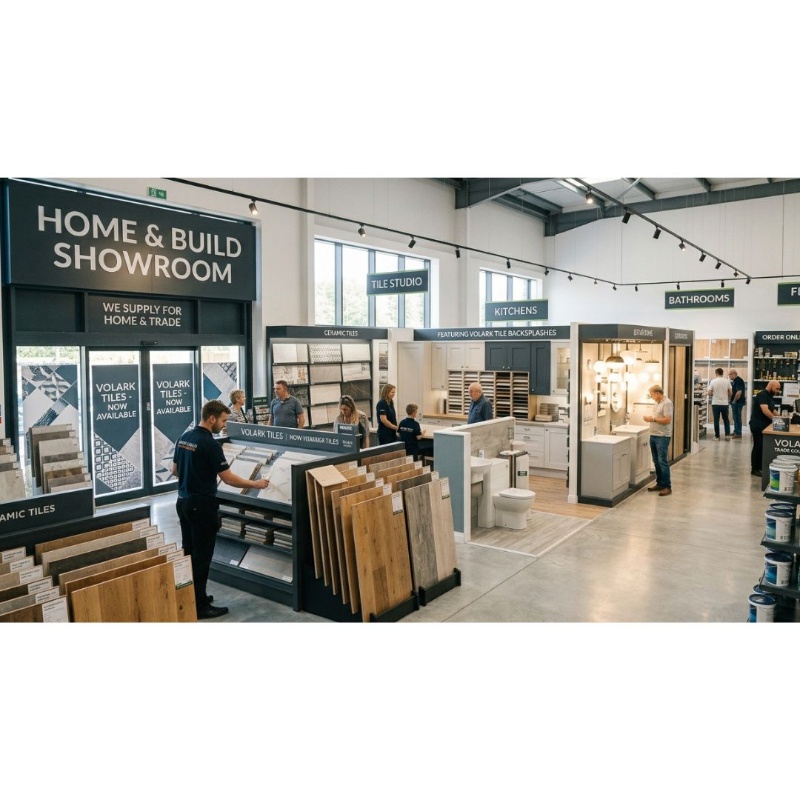
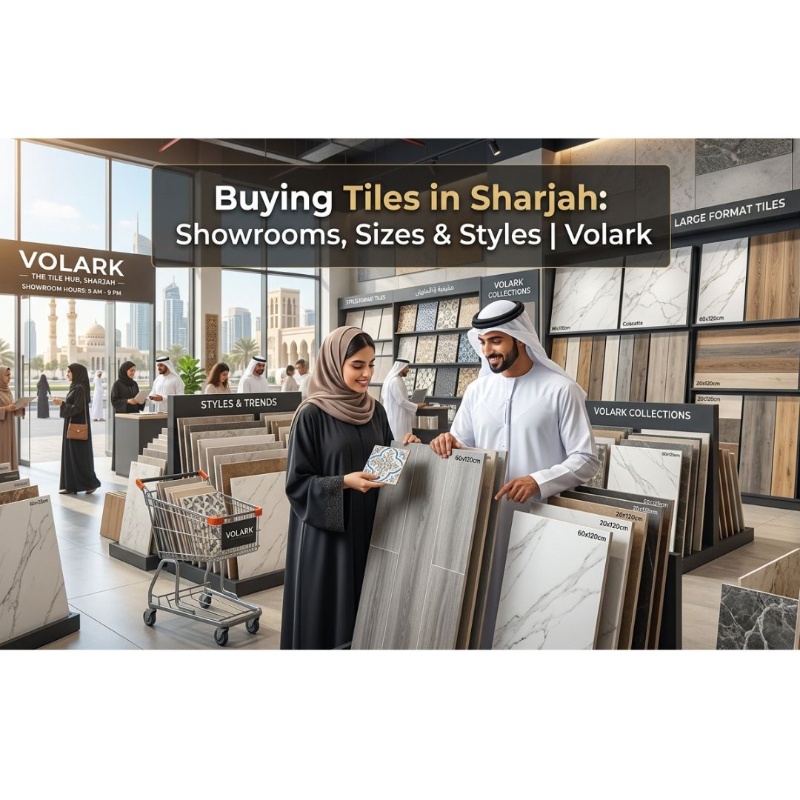
Volark Tiles is a tile showroom and supplier based in Sharjah, supplying tiles and skirting to customers across Dubai, Sharjah, Ajman, Abu Dhabi, Ras Al Khaimah, and Fujairah. We carry a wide range of skirting tiles in ceramic and porcelain, matched to our full floor tile collections. Every tile range in our showroom comes with available skirting pieces in matching colours and finishes.
You can visit our showroom in Sharjah to see samples in person, or contact us via WhatsApp and we'll send you photos and pricing for the specific tile range you're working with.
| Get Your Skirting Tiles from Volark |
|
Showroom open 7 days a week in Sharjah. Fast delivery across all UAE emirates. Our team will match your floor tiles exactly and calculate quantities for you. Order Skirting Tiles via WhatsApp Browse Our Tile Collection |
Frequently Asked Questions About Skirting Tiles in UAE
What is the standard skirting tile height in UAE?
The most common height used in UAE residential projects is 8cm, though 10cm is increasingly popular in larger villas and open-plan spaces. Commercial projects often use 12–15cm for a more substantial finish.
Can I use skirting tiles in a bathroom?
Yes — porcelain skirting tiles are ideal for bathrooms. They're waterproof, easy to clean, and won't be affected by steam or splashing water. Use flexible adhesive and apply a silicone bead at the floor junction for full waterproofing.
How much do skirting tiles cost in the UAE?
Ceramic skirting tiles typically start from around AED 3–6 per piece. Porcelain ranges from AED 6–15 per piece depending on the size and finish. Premium marble-effect or large-format porcelain skirting will be higher. Contact us for current pricing on specific ranges.
Do skirting tiles need the same maintenance as floor tiles?
No special maintenance required. Regular mopping of the floor will clean the skirting too. Porcelain skirting doesn't need sealing. For natural stone skirting, the same sealant schedule as the stone floor applies.
Can skirting tiles be installed on top of existing wall paint?
It's not recommended. For a strong, lasting bond, the wall surface where skirting tiles will be placed should be bare plaster or render. Adhesive doesn't bond reliably to painted surfaces and tiles can come away over time. The existing paint in that zone should be removed before installation.
What is the difference between skirting tiles and cove tiles?
Skirting tiles are flat and installed vertically on the wall above the floor level. Cove tiles have a curved profile and create a smooth rounded transition from wall to floor — used more in commercial kitchens and healthcare facilities for hygienic cleaning. Most UAE residential projects use standard flat skirting tiles.
Skirting Tiles UAE Complete Guide: Types, Sizes & Where to Buy Sharjah Showroom · UAE Delivery Skirting tile strip VOLARK TILES volarktiles.com