




Why Architectural Outdoor Porcelain Tiles Are Redefining Exterior Design
Outdoor spaces in the UAE deal with conditions that most materials simply aren’t designed for.
Long summers, intense UV exposure, blowing sand, high humidity in coastal areas, and sharp temperature differences between day and night all put constant stress on exterior surfaces. That’s why choosing the right material outdoors here isn’t just about looks, it’s about how well it holds up over time.
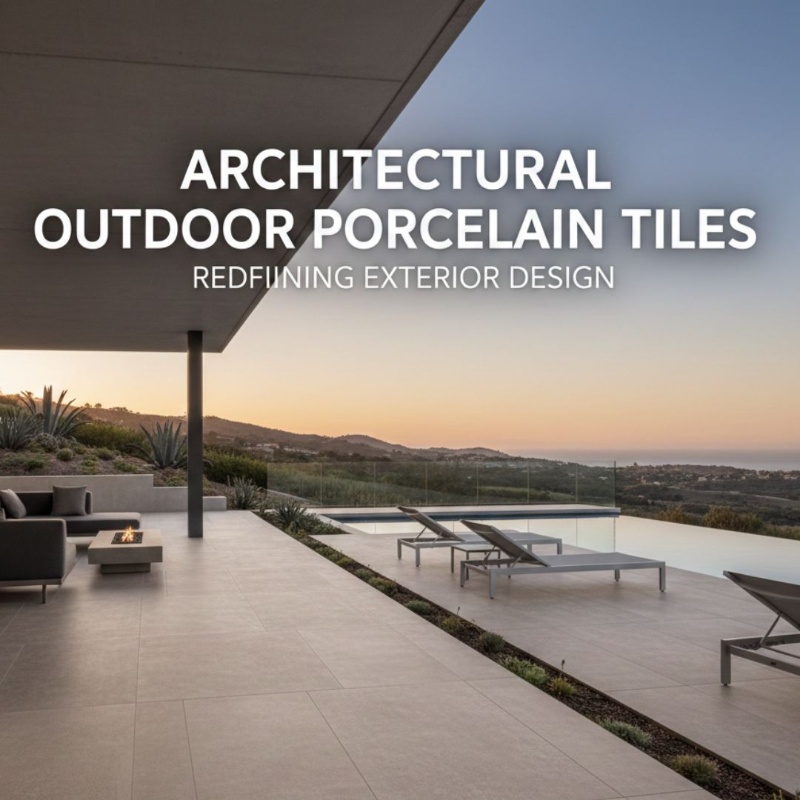
This is one of the main reasons architectural outdoor porcelain tiles have become a preferred option for patios, terraces, walkways, and outdoor living areas across the UAE.
Why UAE Conditions Demand Better Outdoor Materials
In places like Dubai, Abu Dhabi, and other parts of the region, exterior surfaces are exposed to:
- Extreme heat for much of the year
- Strong UV radiation that fades many finishes
- Sand and dust that cause surface wear
- Humidity and salt air near coastal areas
Materials that work well in mild climates often struggle here. Surfaces can fade, crack, or become slippery much faster than expected.
Architectural outdoor porcelain tiles are designed to handle these stresses more reliably because of how they’re manufactured and how little moisture they absorb.
Engineered for Exterior Use—Not Just Adapted
A common mistake is assuming all tiles are suitable for outdoor use.
High-quality exterior products are made using engineered porcelain for exterior environments, meaning the composition and firing process are specifically intended for outdoor performance. This results in a dense, stable tile that doesn’t expand, warp, or degrade easily under heat.
Porcelain tiles typically absorb less than 0.5% water (ASTM standards), which is especially important in humid or coastal UAE environments where moisture and salt exposure can accelerate surface damage in other materials.
Outdoor Tiles Built for Extreme Climates Like the UAE
Not all “outdoor” tiles perform the same way once exposed to sustained heat.
Outdoor tiles built for extreme climates are designed to maintain structural stability and surface integrity even when temperatures remain high for extended periods. Unlike some natural stones or concrete finishes, porcelain doesn’t rely on sealers to protect its surface which means less maintenance and fewer long-term issues.
This is why porcelain is increasingly specified for:
- Rooftop terraces
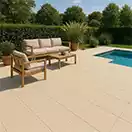
- Pool surrounds
- Courtyards and garden paths
- Commercial and residential outdoor walkways
In UAE conditions, that reliability matters more than short-term aesthetics.
How Architectural Outdoor Porcelain Tiles Perform in Daily Use
Beyond climate resistance, these tiles also make everyday life easier.
- Heat resistance: Porcelain maintains surface integrity even under prolonged sun exposure
- UV stability: Colours remain consistent instead of fading unevenly
- Low porosity: Sand, dirt, and spills don’t soak in
- Slip-resistant options: Especially important around pools and outdoor seating areas
These practical advantages are a big reason architectural outdoor porcelain tiles continue to replace traditional stone and concrete surfaces in UAE outdoor projects.
Design Flexibility Without the Maintenance Burden
One of the quieter benefits of porcelain is how adaptable it is visually.
You’ll find architectural outdoor porcelain tiles in finishes inspired by:
- Natural stone
- Concrete and urban textures
- Contemporary matte surfaces
- Wood-look designs suitable for outdoor use
In the UAE, where outdoor spaces are often extensions of indoor living areas, this makes it easier to create visual continuity without choosing materials that require constant sealing or upkeep.
Installation Still Matters (Even With the Right Tile)
Even the best material needs proper installation.
For UAE projects, installers typically account for:
- Correct slope for drainage
- Stable sub-base preparation
- Exterior-rated adhesives and grout
- Expansion considerations for temperature changes
Most long-term issues come from shortcuts during installation not from the tile itself.
Practical Facts Worth Knowing
- Porcelain tiles absorb less than 0.5% water, making them well-suited for humid and coastal environments (ASTM C373).
- Low-absorption materials are more resistant to thermal stress and surface breakdown in hot climates.
- Porcelain’s density helps it resist abrasion from sand and dust, a common challenge in UAE outdoor areas.
These are the reasons architects and builders continue specifying porcelain for demanding outdoor environments.
Why This Matters for UAE Outdoor Spaces
Outdoor areas in the UAE are meant to be used year-round, not constantly repaired or replaced. Materials that quietly hold up to heat, sun, and daily use tend to be the most cost-effective choice in the long run.
That’s why architectural outdoor porcelain tiles continue to be selected for projects where durability and design need to work together.
When working in demanding outdoor environments like the UAE, material quality and consistency make a real difference. Volark Tiles offers architectural outdoor porcelain tiles designed with exterior performance in mind, making them well-suited for patios, terraces, pool areas, and other outdoor applications exposed to heat and weather.
FAQs
1. Do outdoor porcelain tiles get too hot in the sun?
Like most outdoor surfaces, they can warm under direct sunlight, but lighter finishes and textured surfaces help manage heat better than darker stone or concrete.
2. Are they suitable for coastal areas in the UAE?
Yes. Their low porosity makes them resistant to moisture and salt exposure, which is important near the sea.
3. Do they require sealing?
Typically no. Porcelain doesn’t rely on sealers the way many natural stones do.
4. Are they hard to clean with sand and dust?
Not at all. Regular sweeping and occasional washing is usually enough.