


Traditional Arabic Tile Designs: Why Mashrabiya Outdoor Tiles Are Returning to Modern Homes
Every few years, design trends change, but some things never go out of style. Mashrabiya Outdoor Tiles, inspired by centuries-old Arabic motifs, are one of those timeless elements now making a bold comeback in modern architecture.
From luxury villas in Dubai to contemporary courtyards in Abu Dhabi, homeowners are rediscovering the charm of geometric patterns, artistic silhouettes, and cultural storytelling through tiles.
Today, Mashrabiya pattern courtyard tiles are being reimagined using modern materials like porcelain, giving them the durability required for desert climates while preserving the artistry of the past. Let's explore this timeless beauty.
What is Mashrabiya—The Historical Roots:
The term "mashrabiya" originates from the Arabic root word "sharab," meaning "to drink"- a shaded space where water jars were placed to be cooled. The cooling is mainly through evaporation as air moves through lattice openings. We can call it natural air conditioning.
In architecture, they are referred to as lattices with beautiful, intricate geometric patterns. This allows people to see outside without being seen easily from outside.
The Return of Arabic Geometry in Modern Design
Over the last decade, Dubai’s architecture has growing desire to incorporate elements that represent the UAE’s heritage. This is where traditional Arabic tile designs step in, not as decorative extras, but as core design features.
Mashrabiya patterns are recreated on porcelain tiles to bring richness and meaning into modern outdoor spaces. Instead of blending in, they stand out, transforming patios, courtyards, and garden walls into visually compelling landmarks.
What are the Benefits of Using Mashrabiya Tiles for outdoor spaces?
Designers, homeowners, and architects are choosing these patterns for more than just aesthetics. Here’s why they’ve become the preferred choice for contemporary landscapes
1. Cultural Identity Meets Modern Architecture
Mashrabiya tiles help create a sense of place. These patterns connect homes to the region’s rich artistic lineage.
They add authenticity without overwhelming the modern design language. The blend of traditional geometry and sleek porcelain materials creates a sophisticated yet grounded atmosphere.
2. Perfect for Courtyards- A Central Element in Arabic Homes
Mashrabiya-inspired designs today are mostly produced in porcelain, making them ideal for the UAE’s outdoor conditions. Porcelain’s low water absorption, UV resistance, and strength give it a superior edge over natural stone or cement.
Even under extreme sun, frequent sand exposure, or garden moisture, the tiles retain their form and color. This makes them reliable for patios, walkways, pool surroundings, and garden walls.
3. They Highlight Beautifully with Modern Minimal Interiors
Modern landscaping in Dubai often revolves around beige, sand tones, greys, and neutral palettes. Mashrabiya tiles complement these effortlessly. Their patterns act as a subtle accent rather than overpowering decoration.
You can use them to:
- Frame a courtyard
- Highlight an outdoor seating area
- Create a feature wall
- Design a patterned walkway
This versatility makes them appealing for both minimal homes and decorative Arabic-style villas.
4. A Sustainable Option for Conscious Homeowners
As a conscious homeowner, you may have a question. Are mashrabiya tiles eco-friendly? Today, many Mashrabiya porcelain tiles are manufactured using recycled materials, making them part of Dubai’s growing eco-luxury movement. They reduce waste, require minimal maintenance, and last for decades, aligning with global sustainability trends.
Where You Can Use Mashrabiya Outdoor Tiles
These tiles work seamlessly across various outdoor applications, each adding its own charm and functionality.
1. Courtyards
The most popular location, they bring life, symmetry, and elegance to central gathering spaces. The geometry creates a focal point that enhances outdoor seating, water features, and plants.
2. Walkways & Entrances
Mashrabiya tiles make pathways more engaging through pattern continuity. They guide guests visually and create a grand, welcoming statement.
3. Patio Walls & Facades
Using them vertically enhances the architectural story. Patterned walls become conversation pieces, especially in evening lighting.
4. Garden Seating Zones
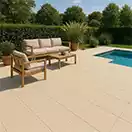
Mashrabiya tiles pair beautifully with pergolas, wooden benches, greenery, and lanterns, achieving a classic Arabian outdoor lounge look.
5. Water Features & Fountains
The pattern reflects beautifully through water, creating movement and texture. They’re ideal for fountain surrounds, pool borders, and courtyard waterfalls.
How to Style Mashrabiya Tiles in Modern Homes
Here are simple ways to integrate them beautifully:
Use Soft Lighting
Warm lighting works beautifully with Mashrabiya Outdoor Tiles because it enhances the depth of the geometric patterns and highlights subtle shadows.
When placed around courtyards or feature walls, the light creates a gentle play of texture that feels both calming and luxurious.
Pair with Neutral Palettes
Sand, beige, terracotta, and warm greys complement Arabic patterns elegantly. Mashrabiya designs allow the patterns to stand out without overpowering the space.
Combine with Natural Materials
Elements like wood, pebbles, stone benches, and greenery add warmth and balance to the structured geometry of the tiles. The contrast between natural textures and intricate patterns creates a harmonious, organic feel.
Mix Pattern & Plain Tiles
Combining Mashrabiya tiles with plain porcelain tiles prevents pattern overload, especially in large outdoor spaces. This prevents visual clutter and creates design zones. It’s an effective way to highlight walkways or seating areas.
FAQ
1. Are Mashrabiya outdoor tiles too “traditional” for modern homes?
Not at all. Modern Mashrabiya tiles are intentionally minimal, elegant, and versatile, blending into contemporary landscapes without overwhelming them.
2. Do patterned outdoor tiles fade under harsh sunlight?
High-quality porcelain Mashrabiya tiles are UV-resistant and maintain color even with year-round exposure.
3. Are Mashrabiya tiles more expensive than regular outdoor tiles?
They can be slightly premium due to their design detailing, but their durability and aesthetic impact make them a high-value investment for courtyards and patios.
5. Can Mashrabiya tiles be used indoors as well?
Yes, they’re increasingly used for feature walls, majlis entrances, and indoor courtyards for cultural continuity.
Key Takeaways
- Mashrabiya tiles combine traditional Arabic tile designs with modern durability.
- They enhance courtyards, pathways, walls, and water features with a cultural identity.
- Porcelain versions offer UV resistance, low maintenance, and long-term performance.
- Designers choose them to add meaning, character, and visual richness to outdoor spaces.
- Perfect for homeowners wanting timeless luxury with modern practicality.
Explore Volark Tiles’ curated range of Mashrabiya Outdoor Tiles, crafted for Dubai’s climate and inspired by timeless Arabic artistry.