






Ceramic Tile vs Porcelain Tile: What is the Real Difference and Which One Should You Choose?
Tile shopping sounds simple - until you're left with, "Ceramic or porcelain?" You know where I'm headed if you've ever been there, hung up on that decision. They look remarkably similar at first glance. Don't be deceived by looks - there are substantial, important distinctions between these two products that can make or break your project.
Whether you're renovating a bathroom, replacing a kitchen, or choosing the perfect indoor tiles or outdoor tiles, understanding the difference between ceramic and porcelain tile can save you from expensive mistakes. In our ultimate tile comparison guide, we'll break it all down — from material and cost to water-resistance and best applications.
What’s the Difference Between Ceramic and Porcelain Tile?
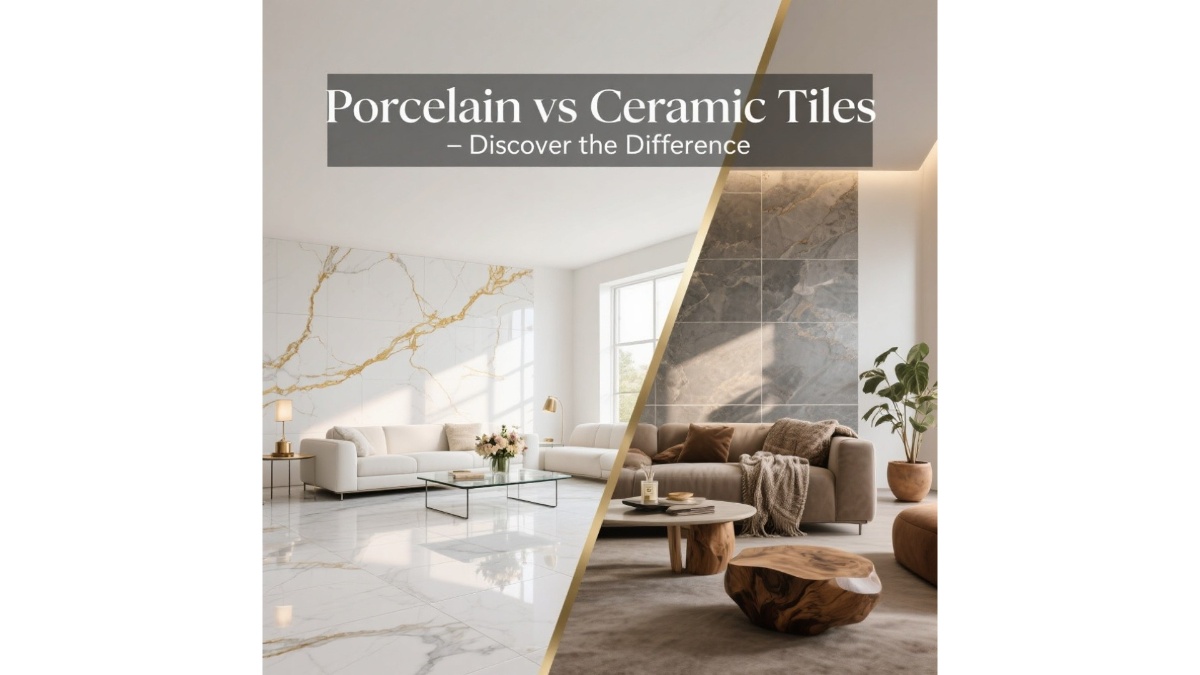
At their core, ceramic and porcelain tiles are both made from clay, but the materials, processes, and end results are quite different. Porcelain is crafted from a more refined clay and fired at much higher temperatures. This results in a denser, harder tile with much lower water absorption—typically less than 0.5%. Ceramic, on the other hand, is made from natural clay, fired at a lower temperature, and is more porous.
This means that porcelain tile is tougher, heavier, and more suitable for moisture-prone areas like bathrooms and laundry rooms. Ceramic tile, while easier to cut and more affordable, is best used in dry, low-traffic areas like kitchen backsplashes or interior walls. The difference between ceramic and porcelain tile isn’t just technical—it’s practical and financial, too.
| Feature |
Porcelain Tile |
Ceramic Tile |
| Material | Refined clay and minerals | Natural clay |
|
Firing Temperature |
Higher temperature |
Lower temperatur |
|
Water Absorption |
≤ 0.5% (impervious) |
10–18% (porous) |
|
Density |
Very dense, heavy
|
Less dense,lighter |
| Finish |
Smooth, color through body |
Glazed, color on surface |
| Cutting Difficulty |
Harder to cut (requires special tools) |
Easier to cut (DIY-friendly) |
|
Cost |
Higher | More budget-friendly |
|
Ideal Usage |
High-traffic areas, wet zones, outdoor | Indoor, dry, low-traffic areas |
How to Identify Whether a Tile Is Ceramic or Porcelain
If you happen to be holding a tile and you don't know whether it is ceramic or porcelain, the following are some quick ways to identify:
· Observe the color-through: Chipped porcelain tile shall be of an identical color throughout. Ceramic shall have a different color beneath the glaze.
· Surface touch: Porcelain is smoother and finer. Ceramic is rougher and coarser on the unglazed surface.
· Weight test: Porcelain is heavier and denser.
· Check the box: The box will usually have tile type and whether it is or isn't ASTM-certified porcelain.
Key Characteristics and Where They Work Best
Porcelain tile is famously durable. Its dense nature renders it water-, stain-, scratch-, and wear-resistant, making it perfect for heavy-traffic zones like kitchens, mudrooms, or entryways. It's also the optimal tile for bathrooms and exterior use because of its low water absorption and excellent freeze-thaw resistance.
Ceramic tile, however, excels where maximum durability is not so important. It's lighter, simpler to cut, and often less expensive. Ceramic tiles are often used for wall installations, interior backsplashes, or accent sections by homeowners due to the vast array of styles and textures. If your tile installation is primarily aesthetic and within a building, ceramic is usually the better value and simpler option.
Performance Under Pressure: Indoor vs Outdoor Applications
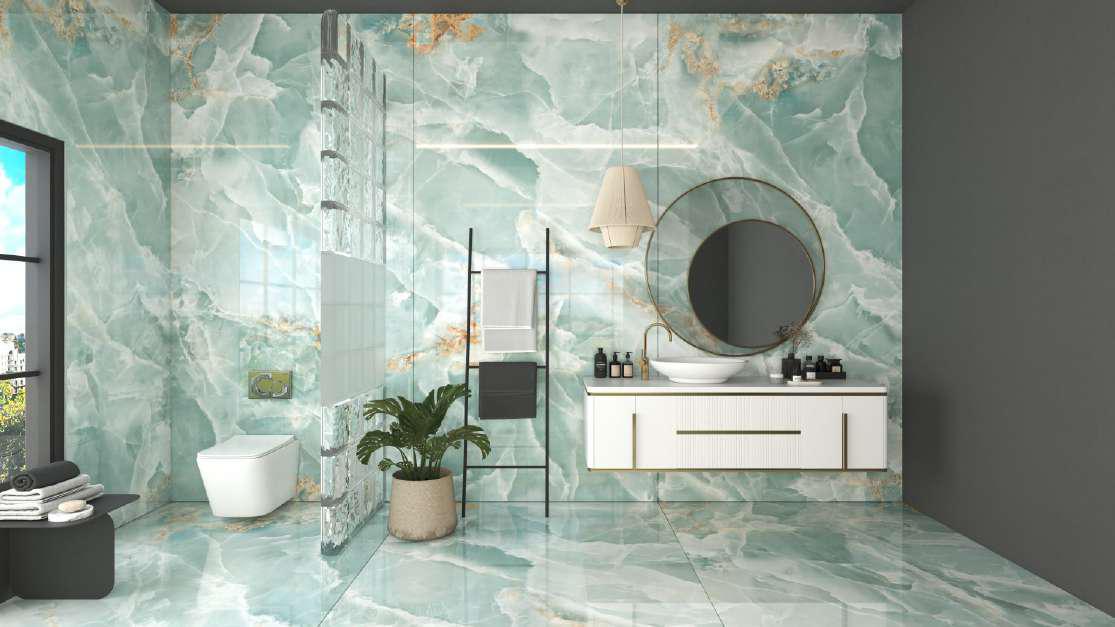
When comparing indoor tiles to outdoor tiles, the decision becomes even more critical. Porcelain tile has advantages in outdoor settings because it can handle the freeze-thaw cycles of colder climates and resists moisture better. For an outdoor patio, walkway, or pool area, porcelain is a clear winner. Ceramic, by contrast, is more vulnerable to cracking under extreme temperature changes and should be reserved for interior spaces where temperature and moisture levels remain consistent.
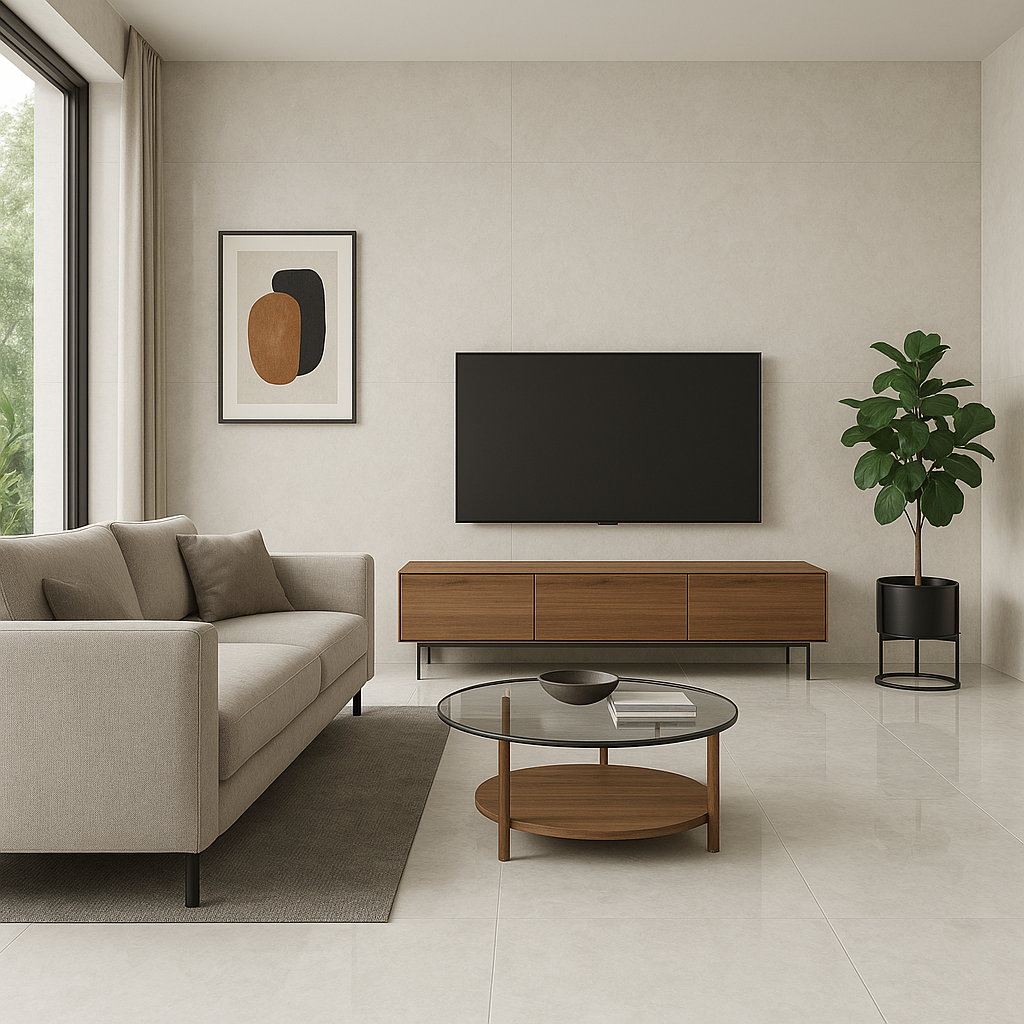
Cost Considerations and Installation Challenges
Price is a prime issue while taking any renovation decision. A cost comparison study is presented below:Cost is always a consideration when planning a tile project. Ceramic tile is less expensive per square foot of material and labor. It is easier to cut, so a handy do-it-yourself person can just cut them. Porcelain tile is more expensive, but in the long term, it is a better value because it will last longer and is very durable. It is harder to cut and install, however, and at times requires specialist equipment and professional expertise to do, so the overall price of labor becomes greater.
Finally, the up-front saving for ceramic tile can be reclaimed by later maintenance or replacement requirements, particularly in a high-traffic or high-moisture environment. But the extent of porcelain's hardness may be worth the premium price in more challenging applications.
What Most People Get Wrong
Most people think if it's good-looking, it'll work everywhere. That's the secret. A tile that will look amazing in a showroom will be broken in a matter of months if used in the wrong place.
Pro tip: If money is no object and flexibility is a priority, employ ceramic in dry indoor spaces. But for durability and longevity — especially around water — porcelain is worth the investment.
Final Thought: Choose the Right Tile, Not the Flashiest One
No one’s going to knock on your door and praise your porcelain. You will, however, appreciate having your floor last decades of use — or break after one winter. The right material saves you money, aggravation, and time in the long run.
In ceramic tile vs. porcelain tile, it's not a matter of which one is "better." It's a matter of having the right stuff in the right location. Let function guide you — your future self will thank you.
FAQ: Ceramic Tile vs Porcelain Tile
1. How can I tell if my tile is ceramic or porcelain?
If you're not sure what kind of tile you have, look at the edge or back. Porcelain tile is denser and heavier, and when chipped, the color bounces around in the body. Ceramic tile usually has a glaze on the surface but a different color beneath. Look at the packaging too—porcelain will usually bear a rating or certification, like ASTM C373, which says low water absorption.
2. What is the ideal tile for bathroom application?
Porcelain is the ideal tile for bathroom spaces, particularly for shower walls and floors. Porcelain's porosity is low, so it is more resistant to water, stains, and mold than ceramic. Although glazed ceramic is possible in less harsh locations such as bathroom walls, porcelain gives the best durability from repeated exposure to moisture.
3. Should I apply ceramic tile outdoors?
Generally, no. Ceramic is too porous and can crack in cold or wet climates. Porcelain is better for outdoor use because it’s water-resistant and weatherproof.
4. Which type of tile is easier to install?
Ceramic is easier to cut and install, making it ideal for DIY projects. Porcelain is harder and needs special tools or professional help. If you’re not experienced, hiring a professional installer for porcelain is highly recommended.
5. Why is porcelain tile more expensive than ceramic?
The higher cost of porcelain tile comes from its more refined raw materials, longer manufacturing process, and added durability. While the initial investment is greater, the longer lifespan and low maintenance can make it more cost-effective over time, especially in busy or wet areas.
6. Do ceramic tiles offer any advantages over porcelain?
Yes. Although they are not as durable as porcelain, ceramic tiles are lighter, simpler to transport, and come in a broad range of styles. For interior decorative projects, they have more design capabilities for less expense.