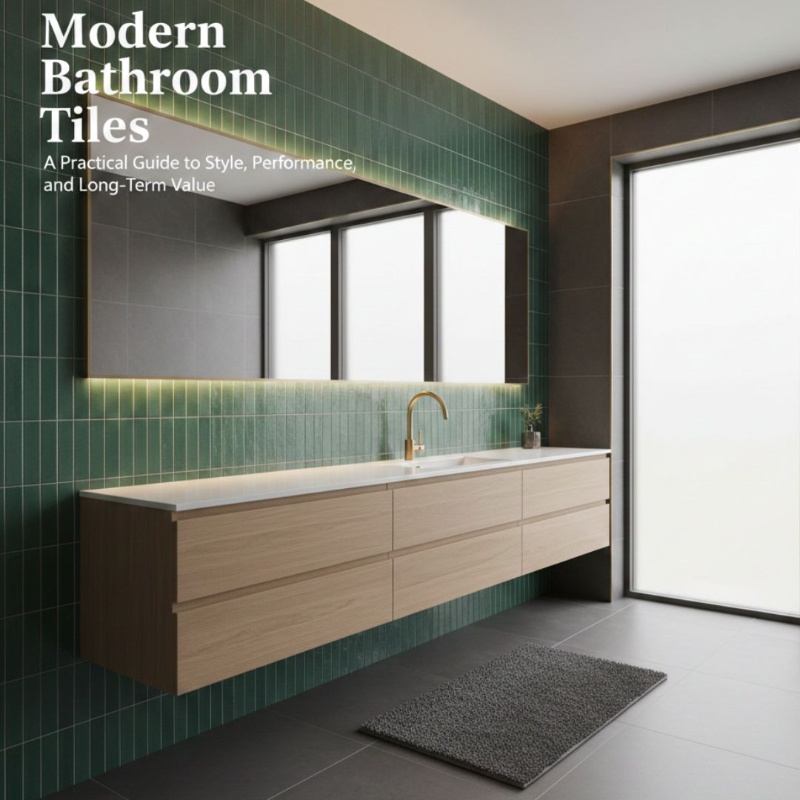






Modern Bathroom Tiles: A Practical Guide to Style, Performance, and Long-Term Value
Bathrooms today are planned with far more intent than they were even a decade ago. They are no longer treated as purely utilitarian spaces but as environments that need to balance comfort, hygiene, and visual clarity. At the centre of this shift are modern bathroom tiles, which now play a defining role in how a bathroom looks, feels, and performs over time.
Choosing the right tiles for a bathroom is not simply a design decision. It is a material choice that affects safety, maintenance, longevity, and overall value. This guide takes a closer look at how modern tiles function, what distinguishes them from older styles, and how to select options that remain reliable long after installation.
What Sets Modern Bathroom Tiles Apart
Modern bathroom tiles are defined less by decoration and more by intentional simplicity. Instead of heavy patterns or glossy finishes, modern collections emphasize proportion, surface texture, and material authenticity.
In practical terms, this means:
- Cleaner visual lines with fewer interruptions
- Finishes designed to reduce glare and visual noise
- Formats that prioritise continuity across surfaces
These qualities allow modern tiles to work across different bathroom sizes and layouts without overwhelming the space.
Key Benefits of Using Modern Bathroom Tiles
Choosing modern bathroom tiles offers several long-term advantages beyond aesthetics.
Enhanced Visual Continuity
Modern tiles are designed to create seamless surfaces. Larger tile formats reduce visual breaks, making bathrooms appear morespacious and organized.
High Durability in Wet Environments
Quality bathroom tiles are engineered to withstand constant exposure to moisture, temperature changes, and cleaning agents without losing their finish or structural integrity.
Low Maintenance Requirements
Modern tile surfaces are easier to clean and maintain compared to porous natural materials, making them suitable for both residential and commercial bathrooms.
Versatile Design Compatibility
These tiles integrate well with contemporary fittings, minimal cabinetry, and modern lighting schemes, offering design flexibility across multiple bathroom styles.
Latest Bathroom Tiles Design Trends with Staying Power
The latest bathroom tiles design trends show a clear shift toward finishes that age well rather than styles that make a short-lived statement.
Large-format tiles continue to gain preference because they create uninterrupted surfaces with fewer grout joints. This not only improves visual flow but also reduces areas where dirt and moisture can accumulate.
Matte and soft-textured finishes are another defining direction. These surfaces provide a refined look while offering better usability in wet conditions.
Importantly, the latest bathroom tiles design choices focus on restraint. Neutral tones, stone-inspired textures, and subtle variation are preferred over bold patterns that may date quickly.
Bathroom Tiles for Floor & Walls: Functional Differences to Consider
Although visual consistency is important, Bathroom Tiles for Floor & Walls are not interchangeable by default.
Floor tiles must meet higher performance standards. They are subjected to weight, impact, and constant foot traffic, making material density and surface grip essential considerations.
Wall tiles, by contrast, allow greater flexibility in thickness and finish. They can be used to introduce texture or tonal variation without compromising structural performance.
Using coordinated Bathroom Tiles for Floor & Walls allows designers to maintain a cohesive look while ensuring each surface performs according to its functional demands.
Material Choices That Work Best for Modern Bathrooms
Material selection significantly influences both appearance and performance.
Porcelain Tiles
Porcelain is one of the most reliable choices for modern bathrooms. It is dense, water-resistant, and suitable for both walls and floors. Its ability to replicate stone and concrete textures makes it a popular modern option.
Ceramic Tiles
Ceramic tiles are typically lighter and best suited for walls. They offer a wide range of finishes and are cost-effective for large wall installations.
Natural Stone-Inspired Tiles
Stone-look tiles deliver the elegance of marble or limestone while offering the durability and ease of maintenance associated with porcelain.
Each material supports modern bathroom tiles differently depending on usage, budget, and design intent.
Comparison Table: Choosing the Right Bathroom Tile Type
This table helps readers quickly understand how different tile options perform in modern bathrooms without overwhelming them with sales language.
| Feature / Criteria | Porcelain Tiles | Ceramic Tiles | Stone-Look Tiles (Porcelain) |
|
Best Use |
Floors & Walls | Primarily Walls | Floors & Walls |
|
Water Resistance |
Very High | Moderate | Very High |
|
Durability |
Excellent for high-traffic bathrooms | Suitable for low-impact areas | Excellent |
|
Maintenance |
Low | Low to Moderate | Low |
|
Visual Appeal |
Modern, minimal, versatile | Clean and simple | Premium, natural look |
|
Slip Resistance Options |
Available in matte/textured finishes | Limited | Available in matte/textured finishes |
| Suitability for Modern Bathrooms | High | Moderate | Very High |
This comparison highlights why porcelain and stone-look tiles are often preferred for modern bathroom tiles, especially where performance and aesthetics must work together.
Common Mistakes to Avoid When Selecting Bathroom Tiles
Even high-quality tiles can underperform if chosen incorrectly.
One common mistake is prioritizing appearance over functionality. Tiles that look appealing in a showroom may not always be suitable for wet environments or high foot traffic.
Another issue is inconsistent tile selection between floors and walls, which can disrupt visual flow and affect performance.
Ignoring grout selection is also problematic. Grout color and quality significantly impact both aesthetics and maintenance. Choosing the right grout complements modern bathroom tiles and ensures long-term durability.
How to Achieve a Cohesive Modern Bathroom Look
A successful bathroom design relies on restraint and consistency.
Limiting the number of tile types helps maintain visual clarity. Similarly, aligning tile scale with room size ensures the space feels proportionate rather than crowded.
Modern bathrooms benefit from continuity across surfaces, where tiles support the overall design rather than compete with fixtures and fittings.
Why Quality Matters More Than Trends
While trends influence design choices, tile quality determines longevity. Poor-quality tiles may chip, fade, or absorb moisture over time, leading to higher maintenance costs.
Investing in premium modern bathroom tiles ensures structural reliability, visual stability, and better resale value for the property.
Modern bathrooms demand materials that balance style with function. From understanding materials and formats to aligning floors and walls cohesively, tile selection plays a defining role in the overall outcome.
By focusing on quality, thoughtful design, and proven materials, modern bathroom tiles can deliver spaces that remain visually appealing and functional for years to come.
Working with a Trusted Tile Manufacturer
Choosing tiles is only part of the process. Working with a reliable manufacturer ensures consistency in finish, accurate sizing, and dependable material performance.
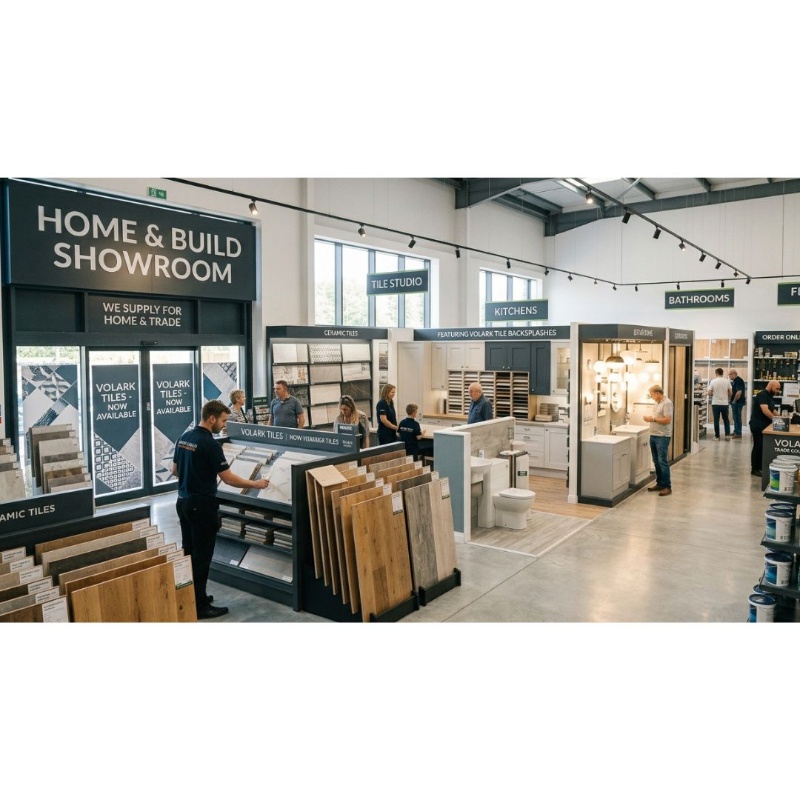
Brands such as Volark Tiles focus on developing tile collections that align with modern design requirements while meeting practical performance standards expected in contemporary bathrooms.