





Bedroom Wall Tiles: Design Ideas, Materials, and Styles That Make Bedrooms Feel Complete
A bedroom doesn’t need a lot of decoration to feel beautiful. In fact, the best bedrooms are often the simplest ones: calm colors, comfortable lighting, and materials that quietly add character without overwhelming the space.
One design detail that has started gaining attention in recent years is the use of bedroom wall tiles. What was once seen mostly in kitchens and bathrooms is now finding its way into sleeping spaces, and for good reason.
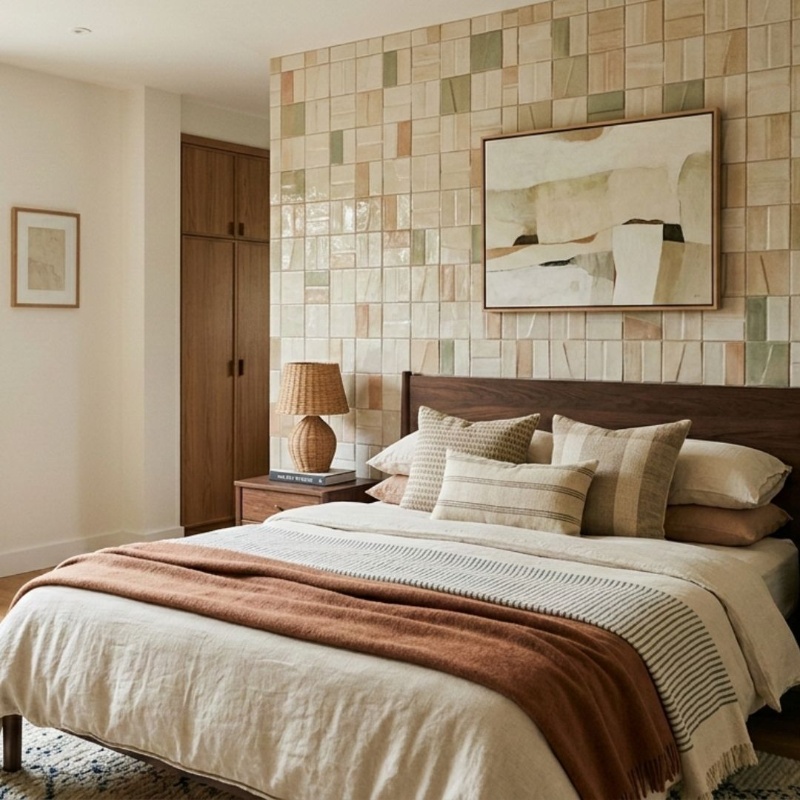
Tiles can bring texture, subtle depth, and durability to a wall in a way that paint alone simply can’t. A carefully chosen tiled surface behind the bed, for example, can act like an architectural backdrop adding interest without demanding attention.
In modern homes, designers are using tiles to create bedrooms that feel more finished, more intentional, and easier to maintain over time. And when the right materials are chosen, the result feels elegant rather than decorative.
Why Bedroom Walls Are Getting More Attention
For a long time, bedroom walls were treated as blank surfaces. Paint them a neutral color, hang a few frames, and that was enough.
But interior design has shifted toward spaces that feel layered and tactile. Instead of relying entirely on furniture for personality, homeowners are looking at the structure of the room itself.
That’s where bedroom wall tiles come into play. They add dimension without clutter. Even a single tiled surface can introduce subtle texture that changes how light interacts with the room.
Another practical advantage is durability. Painted walls tend to show wear over time especially behind beds, nightstands, or reading lamps. Tiles, on the other hand, hold up far better and require very little maintenance once installed.
The Rise of the Bedroom Feature Wall
One of the easiest ways to introduce tiles into a bedroom is through a feature wall. Rather than covering every surface, most designers focus on the wall behind the bed. This placement naturally draws the eye while keeping the rest of the room calm and balanced.
A tiled headboard wall can replace traditional panels or wallpaper. When done well, it becomes part of the architecture of the room. Soft stone textures, matte porcelain surfaces, and neutral tones are especially popular choices because they blend easily with furniture and bedding.
Many interior designers consider this approach one of the Best Bedroom Tiles design ideas because it enhances the space without making it feel overly decorated.
Choosing the Right Tile Material
Not all tiles behave the same way, and the material you choose will affect how the wall looks and how easy it is to maintain.
Here’s a simple comparison of common tile types used for bedroom walls.
|
Tile Material |
Visual Character |
Maintenance |
Durability |
Typical Use |
|
Ceramic |
Smooth and versatile |
Easy |
Good |
|
|
Porcelain |
Dense, refined finish |
Very easy |
Excellent |
|
|
Vitrified |
Uniform and polished |
Very easy |
Very high |
|
|
Natural Stone |
Organic texture |
Moderate |
High |
Porcelain tiles are often the most balanced option because they combine durability with a wide range of finishes. They also resist fading and scratches better than many other materials.
When homeowners begin exploring bedroom wall tiles, porcelain and vitrified surfaces usually offer the best long-term performance.
Why Large Tiles Are Becoming More Popular
Tile size is another factor that influences the overall feel of the room.
Larger tiles reduce the number of grout lines on the wall, which makes the surface appear smoother and more continuous. This is one reason large-format porcelain tiles have become a favorite in modern interiors.
Studies in interior design show that larger tile formats can make walls appear more spacious, which helps bedrooms feel less crowded.
Because of this, many architects and designers consider large-format porcelain among the Best Bedroom Tiles in 2026, especially for contemporary homes that emphasize clean lines and simplicity.
Color Choices That Age Well
Bedroom design trends move slowly compared to other rooms in the house. Since bedrooms are meant to feel calm, most homeowners prefer colors that remain comfortable for many years.
Some shades that continue to work well include:
- warm greys
- soft beige tones
- muted stone colors
- light ivory surfaces
These neutral palettes blend easily with changing furniture or décor styles. A tiled wall in a soft natural tone can remain relevant even as the rest of the room evolves.
Long-Term Durability Compared With Other Wall Finishes
Tiles also offer practical advantages over many other wall treatments.
Paint and wallpaper can look great initially but may require maintenance over time. Tiles, once installed properly, tend to remain stable for decades.
Here’s a general comparison.
|
Wall Finish |
Typical Lifespan |
|
Paint |
5–7 years |
|
Wallpaper |
8–12 years |
|
Decorative panels |
10–15 years |
|
Tile surfaces |
30–50 years |
Because of this durability, tiled walls often provide better long-term value despite the higher installation cost.
How Materials Influence Bedroom Comfort
Bedrooms should feel peaceful. Materials that reflect harsh light or create visual clutter can make a space feel less relaxing.
Tiles help solve this when chosen carefully.
Matte finishes soften reflections, while natural textures introduce subtle variation. When combined with warm lighting and soft fabrics, tiled surfaces can actually enhance the calm atmosphere most people want in a bedroom.
Designing a Bedroom That Feels Thoughtful and Lasts
The best bedrooms aren’t filled with decoration. They’re built on good materials and simple design decisions.
Thoughtfully chosen bedroom wall tiles can quietly transform a room by adding texture, durability, and visual balance. Whether used as a subtle headboard backdrop or a full feature wall, tiles help create a space that feels carefully considered.
As interior design continues evolving, durable materials with timeless appeal such as porcelain and vitrified surfaces will likely remain among the best bedroom tiles design choices for years to come.
And when the materials are chosen well, the bedroom becomes more than just a place to sleep. It becomes a space that feels complete, calm, and designed to last.
The Importance of Quality Tile Manufacturing
All tiles may look similar at first glance, but manufacturing quality plays a major role in how well they perform. Consistent thickness, accurate edges, and durable glazing ensure tiles fit together properly and maintain their finish over time.
Low-quality tiles can fade, chip, or show uneven edges once installed. Volark Tiles offers collections designed with both durability and aesthetics in mind. Their range of modern tiles includes options well suited for contemporary bedroom interiors, combining strong materials with refined surface textures.
You can explore their tile collections here: https://volarktiles.com/
Frequently Asked Questions
1. Are tiles suitable for bedroom walls?
Yes. Tiles are increasingly used in bedrooms to create feature walls or textured surfaces that add durability and style.
2. What type of tile is best for bedroom walls?
Porcelain and ceramic tiles are popular because they are durable, easy to maintain, and available in many finishes.
3. Do wall tiles make a bedroom feel cold?
Not if warm tones and matte finishes are chosen. Textured tiles combined with soft lighting can create a comfortable atmosphere.
4. Are large tiles better for bedrooms?
Large tiles create a smoother, more continuous surface with fewer grout lines, which often works well in modern bedrooms.
5. Do bedroom wall tiles increase home value?
High-quality materials and thoughtful design can enhance the perceived quality of a home, which may positively influence resale value.