




How to Choose the Best Outdoor Tiles for Dubai Homes in Hot Summer
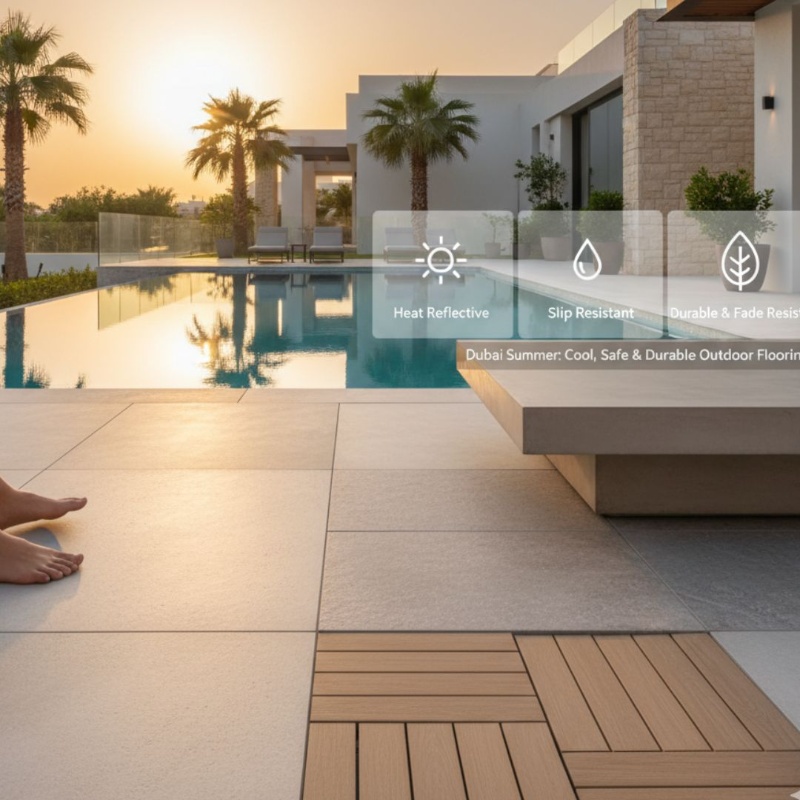
Dubai is a city known for its towering skyscrapers. Step onto the wrong patio tile at 2pm in July, and you'll feel it instantly—some outdoor surfaces get hot enough to burn bare feet. luxurious villas, and world-class outdoor spaces. However, the climate here poses unique challenges. Dubai summers are defined by prolonged, extreme heat, with temperatures often soaring above 40°C. Such intense heat can make outdoor spaces unbearable if unsuitable materials are selected for flooring.
The answer to this problem lies in choosing the best heat-resistant outdoor tiles in the UAE. Unlike standard tiles, these tiles are designed to withstand high temperatures without fading, cracking, or becoming unbearably hot underfoot.
Investing in the right outdoor tiles for a hot climate region enhances your family’s comfort and ensures long-lasting durability and aesthetics. These tiles prevent warping, discoloration, and damage caused by continuous sun exposure, protecting both your flooring and your investment.
Key Takeaways
|
What Are the Best Summer-Proof Tiles That Stay Cool in Dubai Summer?
When choosing the best outdoor tiles for Dubai, it’s important to pick materials that can handle extreme heat while remaining safe and comfortable. Here are some popular options that are usually considered for UV-resistant outdoor flooring in hot cities like Dubai:
1. Porcelain Tiles
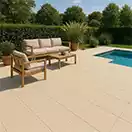
Porcelain is very dense, durable, and highly resistant to heat. Its compact structure prevents water absorption, reduces cracking, and withstands extreme heat. Lighter-colored porcelain tiles can further reduce heat absorption, keeping surfaces cooler. Available in matte and textured surfaces, porcelain tiles are slip-resistant, which makes them suitable for patios, pool decks, and terraces. Look for tiles with water absorption under 0.5% and a 20mm thickness for outdoor use, plus an R11 slip rating for pool and wet areas.
2. Ceramic Tiles
Ceramic tiles are slightly less dense than porcelain but can still endure high temperatures, especially when glazed. They’re stylish, versatile, relatively easy to maintain, and also available in many patterns and colors. This adds a unique style to outdoor areas while being easy to maintain.
3. Natural Stone Tiles
- Materials like granite, slate, and travertine are naturally heat-resistant, durable, and cool underfoot.
- Travertine, in particular, stays cooler underfoot compared to other stone options, making it a comfortable choice for barefoot areas like pool surrounds or garden paths.
- Natural stone tiles give a premium look to your outdoor area and can last for decades with minimal upkeep. Regular sealing enhances their durability and prevents staining.
4. Terracotta Tiles
Terracotta has a warm, earthy look and only absorbs less heat, hence helping in keeping outdoor surfaces cooler. These tiles are ideal for garden pathways, rustic outdoor designs, and shaded patios. Even though slightly more porous, terracotta tiles can last long with proper sealing and maintenance, offering a comfortable and visually appealing surface in hot weather.
5. Composite or Engineered Tiles
Modern composite tiles combine materials like stone, porcelain, and resins to create heat-resistant, lightweight tiles. While mimicking the appearance, they are often easier to install and maintain than natural stone tiles, making them a practical choice for terraces and frequently used outdoor areas.
| Tile | Stays cool | UV / fade resistance | Slip safety | Upkeep |
| Porcelain | High (light + textured) | Excellent | R11 available | Very low |
| Natural stone (travertine) | Highest underfoot | Very good | Good | Needs sealing |
| Ceramic (glazed) | Medium | Good | Medium | Low |
| Terracotta | Medium | Fair | Good | Needs sealing |
| Composite | Medium | Good | Good | Low |
Tips on Colour and Texture Considerations
Lighter colours naturally reflect sunlight, which reduces heat absorption and keeping surfaces cooler. Textured or matte finishes improve surface grip, especially in areas where water exposure is high, like flooring near pools and fountains.
Placement and Maintenance Guidelines
Choose denser materials like porcelain or granite for high-traffic areas, while shaded areas can use terracotta or lighter ceramic tiles. Regular cleaning and periodic sealing of natural stone or terracotta ensures longevity and maintains aesthetics.
Choosing the right combination of material, colour, and texture ensures any outdoor spaces in Dubai remain cool, comfortable, safe, and stylish throughout the hottest months of the year. Heat-resistant tiles are not only functional, but also an essential part of designing durable and elegant outdoor living spaces.
Frequently Asked Questions (FAQs)
Q1. How do I know if a tile is truly heat-resistant?
Check the material and specifications. Porcelain, natural stone, and engineered composite tiles often indicate heat resistance. Ask the supplier for temperature ratings or sun-exposure suitability.
Q2. Will heat-resistant tiles stay cool enough to walk barefoot in Dubai summer?
They reduce surface temperature significantly compared to regular tiles, but under direct sun, they may still feel warm. Combining lighter colours and shaded placement improves your comfort.
Q3. Are textured tiles harder to clean?
Slightly textured tiles may often require more effort to clean compared to smooth ones, but they have better grip, which is safer in wet areas like near pools.
Q4. Can I install heat-resistant tiles over existing flooring?
Yes, in most cases. But actually it depends on the substrate and condition of the current floor. A professional installer can advise on levelling and bonding requirements as per your home outdoor flooring options.
Q5. How do I choose between natural stone and porcelain for my terrace?
Consider your terrace structure, budget, maintenance preferences, and design goals. Natural stone offers a premium and elegant look but usually requires regular sealing. Porcelain, on the other hand, is highly durable and low-maintenance, thus making it an ideal choice for durable terrace tiles in Dubai.
Are you ready to transform your outdoor spaces into cool, stylish retreats even during Dubai’s hottest months? Explore Volark’s wide range of heat-resistant tiles in the UAE, that are designed to stay cool, durable, and low-maintenance while perfectly complementing your home’s style and outdoor needs. Start your upgrade today!
Q6. Which outdoor tile stays coolest underfoot in Dubai?
Light-colored, textured porcelain and travertine stay coolest. Avoid dark tiles in direct sun — they turn into heat traps by afternoon.
Q7. What thickness should outdoor tiles be in the UAE?
20mm is the standard for exposed patios, terraces and driveways. It handles the daily heat-and-cool cycle and foot traffic without cracking.