Why Are g Still One of the Most Timeless Choices for Modern Homes?
I remember the first time I walked into a house with travertine floors. It wasn’t flashy. Nothing screamed for attention. But the space felt calm and settled somehow. Like it had already lived a life and was happy doing it.
That’s the thing about travertine tiles. They don’t try to impress you in the first five seconds. They grow on you.
In a world full of high-gloss finishes, ultra-white floors, and trends that change every few years, travertine quietly stays put. And more homeowners are realizing that’s exactly what they want.
Travertine Isn’t Perfect and That’s the Point
Travertine comes from the earth. Literally. It forms slowly, over thousands of years, and it shows. Small pits. Soft lines. Slight colour changes. No two pieces are identical.
Some people see that and think, “Flawed.” Others see it and think, “Real.”
That’s why travertine tiles feel different under your feet. They don’t feel manufactured. They don’t feel temporary. They feel grounded, like they belong in a space that’s meant to be lived in, not just photographed.
Why Homes With Travertine Feel Warmer (Even Without Trying)
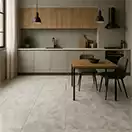
There’s a warmth to travertine that’s hard to explain unless you’ve lived with it. It’s not just the color, it’s the texture, the softness, the way light moves across it instead of bouncing back harshly.
People often choose travertine tiles for living rooms, hallways, and bedrooms because those spaces are meant to feel comfortable, welcoming, and a little forgiving.
And honestly? Travertine is forgiving. Small marks don’t scream at you. Everyday wear blends in. The floor doesn’t demand perfection, it adapts to life.
Inside, Outside… Travertine Doesn’t Care Much Where It Lives
One of the most underrated things about travertine is how naturally it works across spaces. Indoors, it brings calm. Outdoors, it makes sense.
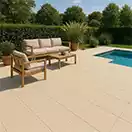
Patios. Terraces. Pool surrounds. Courtyards. Travertine doesn’t feel out of place in any of them.
That’s why people who want flow between inside and outside flooring often end up choosing natural travertine stone tiles. The material doesn’t suddenly feel “wrong” when the environment changes. It just… continues.
Seal it properly, and it handles moisture, heat, and weather far better than many people expect.
Design Trends Come and Go - Travertine Just Waits
There’s a reason travertine has been used for centuries. It doesn’t rely on trends to survive. It doesn’t need reinvention every few years.
You can pair travertine tiles with modern furniture, timber accents, glass, metal and it adapts quietly. Change the furniture, change the lighting, repaint the walls… the floor still works.
That’s something trendy surfaces struggle with. They age fast. Travertine ages slowly and usually beautifully.
“But Isn’t Travertine Hard to Maintain?” (Not Really)
This is probably the biggest misconception.
Yes, travertine is a natural stone. Yes, it benefits from sealing.
But daily life with it? Surprisingly simple.
Sweep. Mop gently. Avoid harsh cleaners. That’s it.
And here’s the part people don’t tell you: Travertine doesn’t punish you for living on it.
Tiny imperfections blend in. Wear adds character instead of damage. Over time, the floor feels more “yours,” not more worn out.
So… Is Travertine for Everyone?
Maybe not.
If you want a flawless, mirror-like surface that never changes, travertine might frustrate you. But if you want something that feels natural, warm, and honest, something that doesn’t fight everyday life, travertine tiles are hard to beat.
They don’t try to steal the spotlight. They support the space. And that’s why people keep coming back to them.
One Place Worth Looking While You’re Deciding
If you’re exploring travertine options and want to see thoughtfully selected finishes, Volark Tiles is one of those places worth browsing. They focus on quality stone rather than trends, which makes their collections useful when you’re comparing materials meant to last.
No big promises, just solid options.
FAQs About Travertine Tiles
1. Do travertine tiles scratch easily?
Not easily but they’re not indestructible either. Heavy furniture dragged across the floor will leave marks, just like it would on timber or marble. The difference is that small scratches tend to blend into travertine’s natural texture instead of standing out. Most people stop noticing them after a while.
2. Are travertine tiles slippery?
That depends on the finish. Polished travertine can be slippery when wet, especially around pools or bathrooms. Honed, brushed, or tumbled finishes feel much grippier underfoot and are usually the better choice for everyday living.
3. Can travertine be used in kitchens and bathrooms?
Yes, and many people do, you just need to seal it properly. Once sealed, travertine handles splashes and moisture just fine. The key is simple maintenance and resealing when needed, not overthinking it.
4. Do travertine tiles stain easily?
They can, if they’re left unsealed or spills are ignored for too long. But with proper sealing, everyday messes wipe up easily. Coffee, wine, or cooking splashes aren’t a big deal if you clean them up within a reasonable time.
5. Is travertine a good option for outdoor spaces?
Yes and it’s one of the reasons people love it. Travertine stays cooler underfoot than many other surfaces and looks natural outdoors. With the right finish and sealing, it works beautifully on patios, terraces, and pool surrounds.